

-
AboutShenzhen Century Bailey Environmental Protection Technology Co., Ltd. (referred to as "Century Bailey") is located by the Guanlan Lake of the World Golf Village, adjacent to the Shanshui Tianyuan Tourism and Culture Park. It is a national high-tech enterprise and a specialized and new enterprise focusing on the research, development, production, and sales of catering industry oil fume purification products.
-
ProductShenzhen Century Bailey Environmental Protection Technology Co., Ltd. (referred to as "Century Bailey") is located by the Guanlan Lake of the World Golf Village, adjacent to the Shanshui Tianyuan Tourism and Culture Park. It is a national high-tech enterprise and a specialized and new enterprise focusing on the research, development, production, and sales of catering industry oil fume purification products.
-
Core AdvantagesShenzhen Century Bailey Environmental Protection Technology Co., Ltd. (referred to as "Century Bailey") is located by the Guanlan Lake of the World Golf Village, adjacent to the Shanshui Tianyuan Tourism and Culture Park. It is a national high-tech enterprise and a specialized and new enterprise focusing on the research, development, production, and sales of catering industry oil fume purification products.
-
CasesShenzhen Century Bailey Environmental Protection Technology Co., Ltd. (referred to as "Century Bailey") is located by the Guanlan Lake of the World Golf Village, adjacent to the Shanshui Tianyuan Tourism and Culture Park. It is a national high-tech enterprise and a specialized and new enterprise focusing on the research, development, production, and sales of catering industry oil fume purification products.
-
Customer serviceShenzhen Century Bailey Environmental Protection Technology Co., Ltd. (referred to as "Century Bailey") is located by the Guanlan Lake of the World Golf Village, adjacent to the Shanshui Tianyuan Tourism and Culture Park. It is a national high-tech enterprise and a specialized and new enterprise focusing on the research, development, production, and sales of catering industry oil fume purification products.
-
ContactShenzhen Century Bailey Environmental Protection Technology Co., Ltd. (referred to as "Century Bailey") is located by the Guanlan Lake of the World Golf Village, adjacent to the Shanshui Tianyuan Tourism and Culture Park. It is a national high-tech enterprise and a specialized and new enterprise focusing on the research, development, production, and sales of catering industry oil fume purification products.
Understanding Low-Altitude Direct Exhaust Fume Purifiers in Industrial Applications
Release time:
2026-02-23
In industrial operations, the management of air quality is paramount, particularly in environments where hazardous fumes and particulate matter are prevalent. Low-altitude direct exhaust fume purifiers serve as a critical solution in mitigating the adverse effects of these emissions. These devices are engineered to capture and eliminate harmful contaminants directly at the source, ensuring cleaner

In industrial operations, the management of air quality is paramount, particularly in environments where hazardous fumes and particulate matter are prevalent. Low-altitude direct exhaust fume purifiers serve as a critical solution in mitigating the adverse effects of these emissions. These devices are engineered to capture and eliminate harmful contaminants directly at the source, ensuring cleaner air and improved occupational safety.
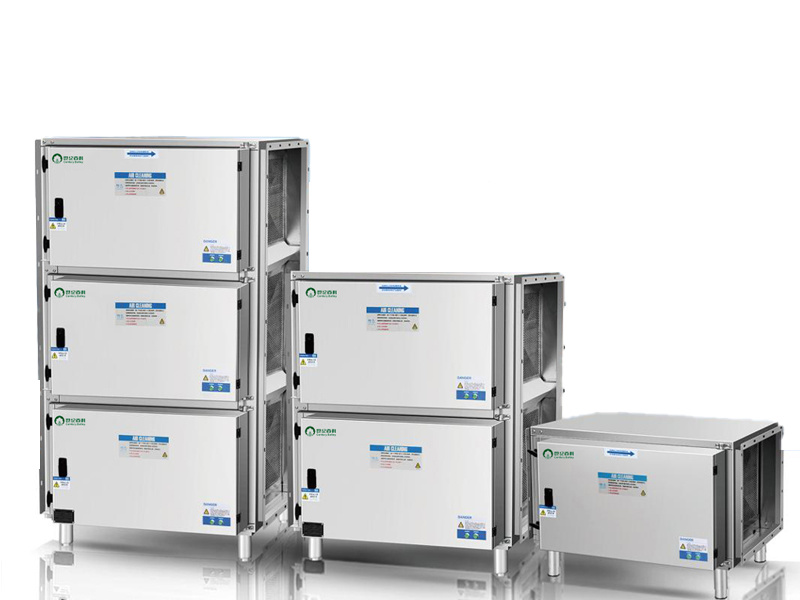
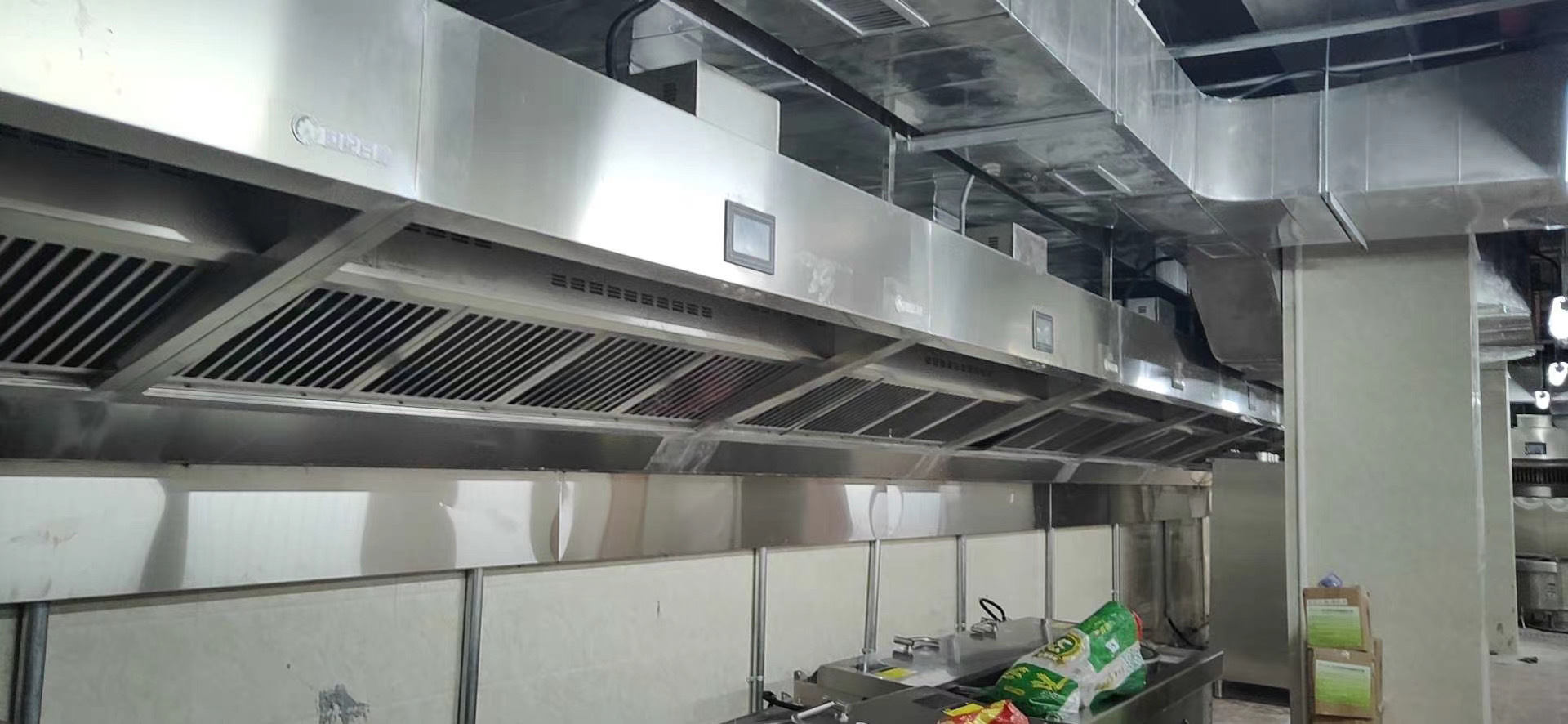
The primary functioning mechanism of low-altitude direct exhaust fume purifiers involves the strategic placement of exhaust systems close to the emission points. This proximity allows for the immediate capture of airborne pollutants, preventing them from dispersing into the broader working environment. By utilizing advanced filtration technologies—such as electrostatic precipitators, activated carbon filters, or HEPA filters—these purifiers are capable of removing a range of harmful substances, including volatile organic compounds (VOCs), particulate matter, and grease vapors.
One of the significant advantages of employing low-altitude direct exhaust fume purifiers is their ability to enhance the efficiency of air quality management systems. By acting at the source, these devices reduce the overall load on larger centralized air purification systems, leading to energy savings and lower operational costs. Additionally, their compact design allows for easy integration into existing industrial setups without requiring extensive modifications.
Moreover, effective air purification is not merely a regulatory compliance issue; it significantly impacts worker health and productivity. Poor air quality can lead to respiratory problems, fatigue, and reduced cognitive function. By utilizing low-altitude direct exhaust fume purifiers, companies can create a healthier work environment that promotes employee well-being and satisfaction.
The implementation of these purifiers also supports sustainability initiatives by minimizing the environmental impact of industrial processes. By ensuring that harmful emissions are effectively captured and processed, businesses can contribute to cleaner air and adhere to environmental standards, enhancing their corporate responsibility profile.
In conclusion, low-altitude direct exhaust fume purifiers play a vital role in modern industrial operations. Their ability to capture and eliminate emissions at the source not only improves air quality but also supports operational efficiency and workforce health. As industries continue to prioritize sustainability and safety, investing in effective air purification technologies will become increasingly essential in achieving these goals. Understanding the operational benefits and technical specifications of these purifiers can empower businesses to make informed decisions that align with their environmental and health objectives.
The primary functioning mechanism of low-altitude direct exhaust fume purifiers involves the strategic placement of exhaust systems close to the emission points. This proximity allows for the immediate capture of airborne pollutants, preventing them from dispersing into the broader working environment. By utilizing advanced filtration technologies—such as electrostatic precipitators, activated carbon filters, or HEPA filters—these purifiers are capable of removing a range of harmful substances, including volatile organic compounds (VOCs), particulate matter, and grease vapors.
One of the significant advantages of employing low-altitude direct exhaust fume purifiers is their ability to enhance the efficiency of air quality management systems. By acting at the source, these devices reduce the overall load on larger centralized air purification systems, leading to energy savings and lower operational costs. Additionally, their compact design allows for easy integration into existing industrial setups without requiring extensive modifications.
Moreover, effective air purification is not merely a regulatory compliance issue; it significantly impacts worker health and productivity. Poor air quality can lead to respiratory problems, fatigue, and reduced cognitive function. By utilizing low-altitude direct exhaust fume purifiers, companies can create a healthier work environment that promotes employee well-being and satisfaction.
The implementation of these purifiers also supports sustainability initiatives by minimizing the environmental impact of industrial processes. By ensuring that harmful emissions are effectively captured and processed, businesses can contribute to cleaner air and adhere to environmental standards, enhancing their corporate responsibility profile.
In conclusion, low-altitude direct exhaust fume purifiers play a vital role in modern industrial operations. Their ability to capture and eliminate emissions at the source not only improves air quality but also supports operational efficiency and workforce health. As industries continue to prioritize sustainability and safety, investing in effective air purification technologies will become increasingly essential in achieving these goals. Understanding the operational benefits and technical specifications of these purifiers can empower businesses to make informed decisions that align with their environmental and health objectives.
More news


Hotline:+86 136 849 29821
Email:13684929821@139.com
Address:No. 6, Junzibubujun Industrial Road, Guanlan, Longhua New District, Shenzhen


