

-
AboutShenzhen Century Bailey Environmental Protection Technology Co., Ltd. (referred to as "Century Bailey") is located by the Guanlan Lake of the World Golf Village, adjacent to the Shanshui Tianyuan Tourism and Culture Park. It is a national high-tech enterprise and a specialized and new enterprise focusing on the research, development, production, and sales of catering industry oil fume purification products.

-
ProductShenzhen Century Bailey Environmental Protection Technology Co., Ltd. (referred to as "Century Bailey") is located by the Guanlan Lake of the World Golf Village, adjacent to the Shanshui Tianyuan Tourism and Culture Park. It is a national high-tech enterprise and a specialized and new enterprise focusing on the research, development, production, and sales of catering industry oil fume purification products.
-
Core AdvantagesShenzhen Century Bailey Environmental Protection Technology Co., Ltd. (referred to as "Century Bailey") is located by the Guanlan Lake of the World Golf Village, adjacent to the Shanshui Tianyuan Tourism and Culture Park. It is a national high-tech enterprise and a specialized and new enterprise focusing on the research, development, production, and sales of catering industry oil fume purification products.
-
CasesShenzhen Century Bailey Environmental Protection Technology Co., Ltd. (referred to as "Century Bailey") is located by the Guanlan Lake of the World Golf Village, adjacent to the Shanshui Tianyuan Tourism and Culture Park. It is a national high-tech enterprise and a specialized and new enterprise focusing on the research, development, production, and sales of catering industry oil fume purification products.
-
Customer serviceShenzhen Century Bailey Environmental Protection Technology Co., Ltd. (referred to as "Century Bailey") is located by the Guanlan Lake of the World Golf Village, adjacent to the Shanshui Tianyuan Tourism and Culture Park. It is a national high-tech enterprise and a specialized and new enterprise focusing on the research, development, production, and sales of catering industry oil fume purification products.
-
ContactShenzhen Century Bailey Environmental Protection Technology Co., Ltd. (referred to as "Century Bailey") is located by the Guanlan Lake of the World Golf Village, adjacent to the Shanshui Tianyuan Tourism and Culture Park. It is a national high-tech enterprise and a specialized and new enterprise focusing on the research, development, production, and sales of catering industry oil fume purification products.
Optimizing Air Quality: Key Features of Combined Fume Purifiers
Release time:
2026-02-20
Optimizing Air Quality: Key Features of Combined Fume Purifiers Table of Contents Introduction to Combined Fume Purifiers The Importance of Air Quality in Industrial Settings How Combined Fume Purifiers Work Key Features of Combined Fume Purifiers Advanced Filtration Systems Energy Efficiency Smart Technology Integration Be

Optimizing Air Quality: Key Features of Combined Fume Purifiers
Table of Contents
- Introduction to Combined Fume Purifiers
- The Importance of Air Quality in Industrial Settings
- How Combined Fume Purifiers Work
- Key Features of Combined Fume Purifiers
- Benefits of Using Combined Fume Purifiers
- Common Applications of Combined Fume Purifiers
- Maintenance and Safety Considerations
- Conclusion
- Frequently Asked Questions (FAQs)
Introduction to Combined Fume Purifiers
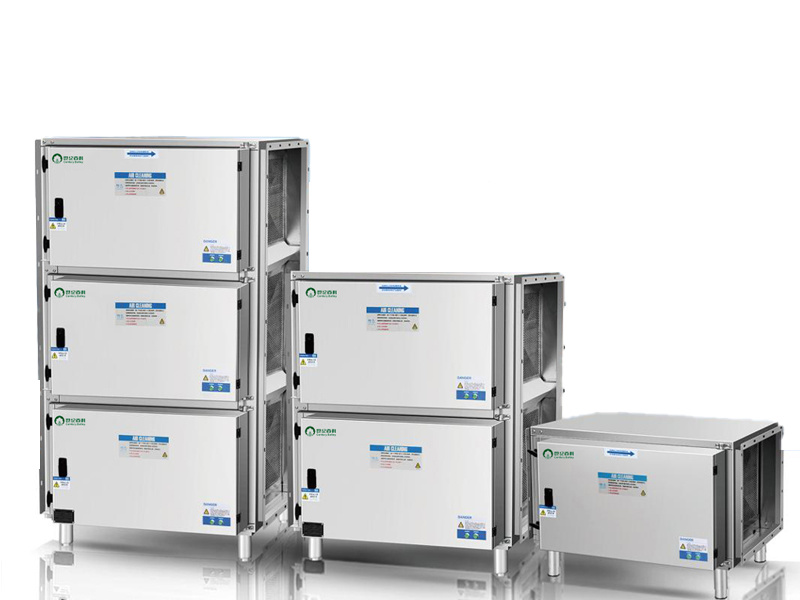
In an era where industrial pollution and air quality concerns are at the forefront of public health discussions, **combined fume purifiers** stand out as an essential solution for improving air quality in various environments. These advanced systems are designed to effectively filter out harmful substances and particulates generated during industrial processes, ensuring that both workplace safety and environmental compliance are maintained.
This article delves into the key features of combined fume purifiers, illustrating their pivotal role in optimizing air quality. By understanding how these systems operate and the benefits they bring, businesses can make informed decisions about their air purification needs.
The Importance of Air Quality in Industrial Settings
Air quality in industrial settings directly affects both worker health and overall productivity. Poor air quality can lead to a range of health issues, including respiratory problems, fatigue, and decreased cognitive function. Furthermore, industries that fail to manage air quality may face regulatory penalties and reputational damage.
By investing in **effective air purification solutions**, companies can create a healthier work environment, enhance employee satisfaction, and improve operational efficiencies. This underscores the critical need for effective fume purifiers that can handle a variety of contaminants.
How Combined Fume Purifiers Work
Combined fume purifiers utilize a multi-stage filtration process to clean the air. The system may integrate several technologies, such as mechanical filters, electrostatic precipitators, and activated carbon filters, to target specific types of pollutants.
1. **Mechanical Filtration**: This first stage captures larger particles, such as dust and soot, preventing them from entering the air supply.
2. **Electrostatic Precipitation**: In this stage, charged particles are attracted to oppositely charged plates, effectively removing even smaller pollutants from the air.
3. **Activated Carbon Filtration**: This final stage adsorbs volatile organic compounds (VOCs) and unpleasant odors, ensuring that the air released back into the environment is clean and safe.
By combining these technologies, fume purifiers can tackle a wide range of contaminants, making them versatile tools for industries such as manufacturing, food processing, and automotive.
Key Features of Combined Fume Purifiers
To achieve optimal air quality, combined fume purifiers come equipped with several essential features designed to enhance their performance and usability.
Advanced Filtration Systems
The heart of any effective fume purifier lies in its filtration system. Advanced fume purifiers utilize multiple layers of filtration technology to capture a broad spectrum of pollutants, ensuring high-efficiency particulate air (HEPA) standards are met or exceeded. This multi-layer approach not only improves overall air quality but also reduces the frequency of filter replacements, providing long-term cost savings.
Energy Efficiency
Modern combined fume purifiers are engineered to be energy-efficient. With the growing need for sustainable practices in industrial operations, these systems consume less power while maintaining high performance levels. Features such as variable speed fans and energy recovery systems contribute to reduced operational costs and lower carbon footprints, aligning with global sustainability goals.
Smart Technology Integration
In today’s technologically advanced world, the integration of smart technologies in fume purifiers has become increasingly vital. Many systems now include IoT capabilities, allowing for real-time monitoring and remote control through mobile applications. This feature not only enhances operational efficiency but also enables predictive maintenance, which can prevent costly downtimes.
Benefits of Using Combined Fume Purifiers
The implementation of combined fume purifiers in industrial settings offers numerous benefits, making them an invaluable asset for businesses aiming to optimize air quality.
1. **Enhanced Worker Health**: By removing harmful contaminants, fume purifiers help safeguard employee health, reducing sick days and increasing productivity.
2. **Regulatory Compliance**: Many industries are subject to stringent air quality regulations. Utilizing combined fume purifiers ensures compliance, protecting the business from potential fines and legal issues.
3. **Improved Product Quality**: Cleaner air can lead to better-quality products, especially in sectors where air quality can affect manufacturing processes, such as food production and pharmaceuticals.
4. **Cost Savings**: Although the initial investment in combined fume purifiers may seem substantial, the long-term savings in energy costs, maintenance expenses, and health-related costs can be significant.
Common Applications of Combined Fume Purifiers
Combined fume purifiers are widely applicable across various industries. Their versatility makes them suitable for numerous environments, including:
1. **Manufacturing Facilities**: To eliminate fumes and particulate matter generated during production processes.
2. **Food Processing Plants**: To ensure that the air quality meets health standards, preventing contamination.
3. **Automotive Workshops**: To manage exhaust fumes and particulates from vehicle maintenance and repairs.
4. **Laboratories**: To provide clean air free from hazardous chemicals and biological contaminants.
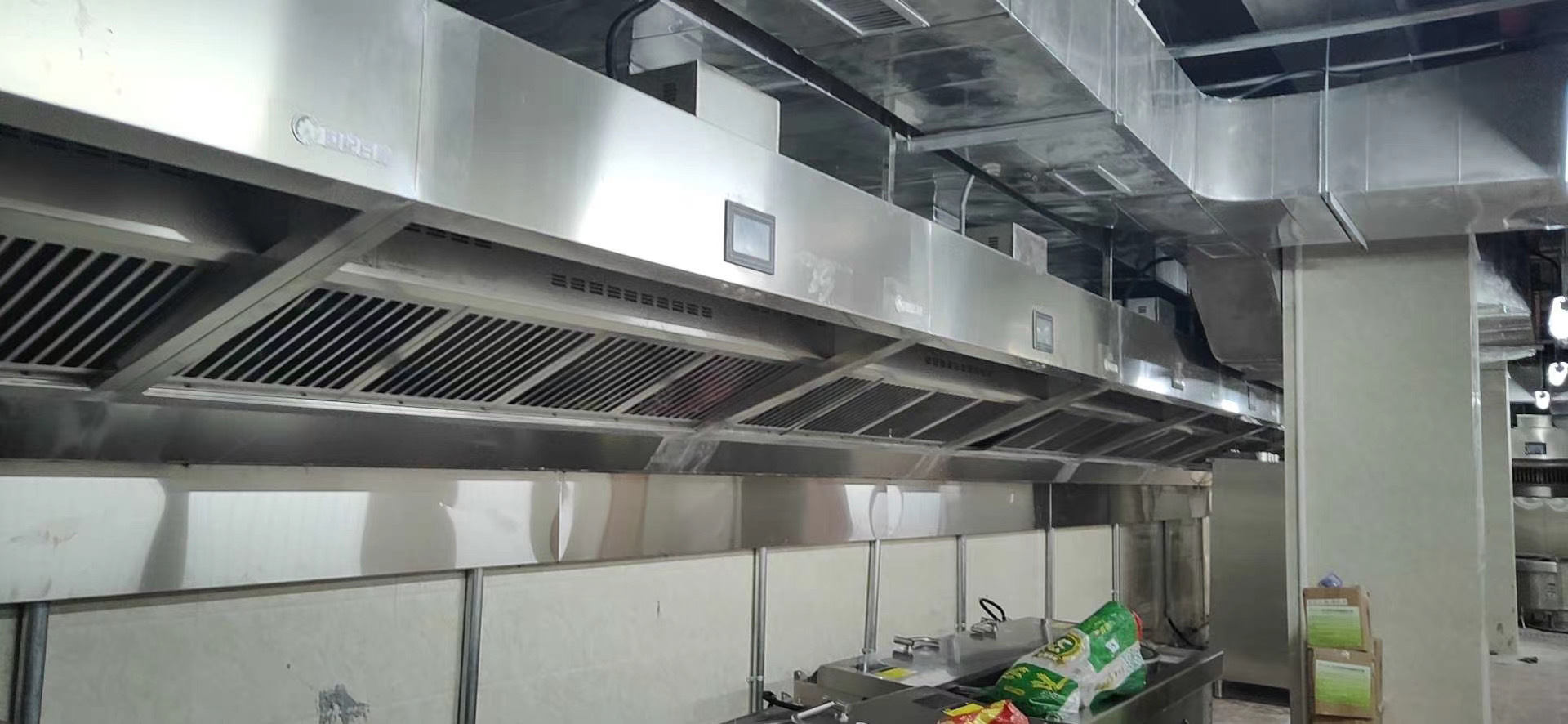
5. **Commercial Kitchens**: To manage grease and smoke emissions, ensuring a safe cooking environment.
Maintenance and Safety Considerations
While combined fume purifiers are designed for durability, regular maintenance is crucial to keep them functioning effectively. Here are some key considerations:
1. **Routine Inspections**: Schedule periodic check-ups to ensure all components, including filters and fans, are in good working condition.
2. **Filter Replacement**: Follow the manufacturer's recommendations for filter replacement intervals to maintain optimal performance.
3. **Safety Protocols**: Ensure that all personnel working near or with the equipment are trained in safety procedures to prevent accidents.
4. **Emergency Protocols**: Develop and communicate emergency procedures in case of system failure to mitigate risks.
Conclusion
The significance of maintaining optimal air quality in industrial settings cannot be overstated. Combined fume purifiers emerge as high-performing, versatile solutions that effectively tackle air quality issues, ensuring a safer environment for workers while promoting regulatory compliance. With their advanced filtration systems, energy efficiency, and smart technology integration, these systems represent a wise investment for businesses aiming to enhance air quality and operational efficiency.
In summary, by understanding and leveraging the key features of combined fume purifiers, industries can take proactive steps toward improving air quality, thereby safeguarding their workforce and meeting environmental standards.
Frequently Asked Questions (FAQs)
1. What are combined fume purifiers?
Combined fume purifiers are advanced air filtration systems designed to remove a variety of harmful pollutants generated during industrial processes. They use multiple filtration technologies to ensure high air quality.
2. How do combined fume purifiers improve workplace safety?
By effectively filtering out toxic fumes and particulates, combined fume purifiers help reduce health risks associated with poor air quality, thereby enhancing overall workplace safety.
3. Are combined fume purifiers energy-efficient?
Yes, many modern combined fume purifiers are designed to be energy-efficient, incorporating features that minimize power consumption while maintaining high performance.
4. What industries benefit most from combined fume purifiers?
Industries such as manufacturing, food processing, automotive, laboratories, and commercial kitchens greatly benefit from the use of combined fume purifiers to maintain air quality.
5. What maintenance is required for combined fume purifiers?
Regular maintenance includes routine inspections, timely filter replacements, and adherence to safety protocols to ensure optimal performance and longevity of the system.
More news


Hotline:+86 136 849 29821
Email:13684929821@139.com
Address:No. 6, Junzibubujun Industrial Road, Guanlan, Longhua New District, Shenzhen


