

-
AboutShenzhen Century Bailey Environmental Protection Technology Co., Ltd. (referred to as "Century Bailey") is located by the Guanlan Lake of the World Golf Village, adjacent to the Shanshui Tianyuan Tourism and Culture Park. It is a national high-tech enterprise and a specialized and new enterprise focusing on the research, development, production, and sales of catering industry oil fume purification products.
-
ProductShenzhen Century Bailey Environmental Protection Technology Co., Ltd. (referred to as "Century Bailey") is located by the Guanlan Lake of the World Golf Village, adjacent to the Shanshui Tianyuan Tourism and Culture Park. It is a national high-tech enterprise and a specialized and new enterprise focusing on the research, development, production, and sales of catering industry oil fume purification products.
-
Core AdvantagesShenzhen Century Bailey Environmental Protection Technology Co., Ltd. (referred to as "Century Bailey") is located by the Guanlan Lake of the World Golf Village, adjacent to the Shanshui Tianyuan Tourism and Culture Park. It is a national high-tech enterprise and a specialized and new enterprise focusing on the research, development, production, and sales of catering industry oil fume purification products.
-
CasesShenzhen Century Bailey Environmental Protection Technology Co., Ltd. (referred to as "Century Bailey") is located by the Guanlan Lake of the World Golf Village, adjacent to the Shanshui Tianyuan Tourism and Culture Park. It is a national high-tech enterprise and a specialized and new enterprise focusing on the research, development, production, and sales of catering industry oil fume purification products.
-
Customer serviceShenzhen Century Bailey Environmental Protection Technology Co., Ltd. (referred to as "Century Bailey") is located by the Guanlan Lake of the World Golf Village, adjacent to the Shanshui Tianyuan Tourism and Culture Park. It is a national high-tech enterprise and a specialized and new enterprise focusing on the research, development, production, and sales of catering industry oil fume purification products.
-
ContactShenzhen Century Bailey Environmental Protection Technology Co., Ltd. (referred to as "Century Bailey") is located by the Guanlan Lake of the World Golf Village, adjacent to the Shanshui Tianyuan Tourism and Culture Park. It is a national high-tech enterprise and a specialized and new enterprise focusing on the research, development, production, and sales of catering industry oil fume purification products.
Exploring the Benefits of Automatic Cleaning Purifiers in Factories
Release time:
2026-02-14
Exploring the Benefits of Automatic Cleaning Purifiers in Factories Introduction to Automatic Cleaning Purifiers In the ever-evolving landscape of industrial operations, maintaining optimal air quality is crucial. Factories often deal with various pollutants, including dust, smoke, and chemical fumes, posing significant health risks to employees and affecting overall productivity. **Automatic clea

Exploring the Benefits of Automatic Cleaning Purifiers in Factories
Introduction to Automatic Cleaning Purifiers
In the ever-evolving landscape of industrial operations, maintaining optimal air quality is crucial. Factories often deal with various pollutants, including dust, smoke, and chemical fumes, posing significant health risks to employees and affecting overall productivity. **Automatic cleaning purifiers** have emerged as a vital solution to this issue, providing continuous air filtration and purification. This article will delve deep into the myriad benefits of implementing these high-tech devices in factory environments.
The Importance of Air Quality in Industrial Settings
Air quality is a critical aspect of employee health and safety in industrial settings. Poor air quality can lead to respiratory problems, reduced focus, and increased absenteeism.
Health Risks Associated with Poor Air Quality
Workers exposed to contaminated air may suffer from various health issues, such as:
- **Respiratory Diseases**: Chronic exposure can lead to conditions like asthma or chronic obstructive pulmonary disease (COPD).
- **Reduced Immunity**: Polluted air can weaken the immune system, making workers more susceptible to illnesses.
- **Cognitive Impairment**: Studies have shown that air pollution can affect cognitive function, leading to decreased productivity.
Regulatory Compliance and Standards
Factories are subject to stringent regulations regarding air quality. Compliance with standards set by organizations such as the Occupational Safety and Health Administration (OSHA) is essential. Automatic cleaning purifiers can help businesses meet these regulations while ensuring a safe work environment.
How Automatic Cleaning Purifiers Work
Automatic cleaning purifiers utilize advanced technology to filter out airborne contaminants effectively.
Filtration Technologies
These purifiers often incorporate multiple layers of filtration, including:
- **HEPA Filters**: Capable of trapping 99.97% of particles as small as 0.3 microns, HEPA filters are a critical component in ensuring clean air.
- **Activated Carbon Filters**: These filters adsorb odors and volatile organic compounds (VOCs), enhancing air quality.
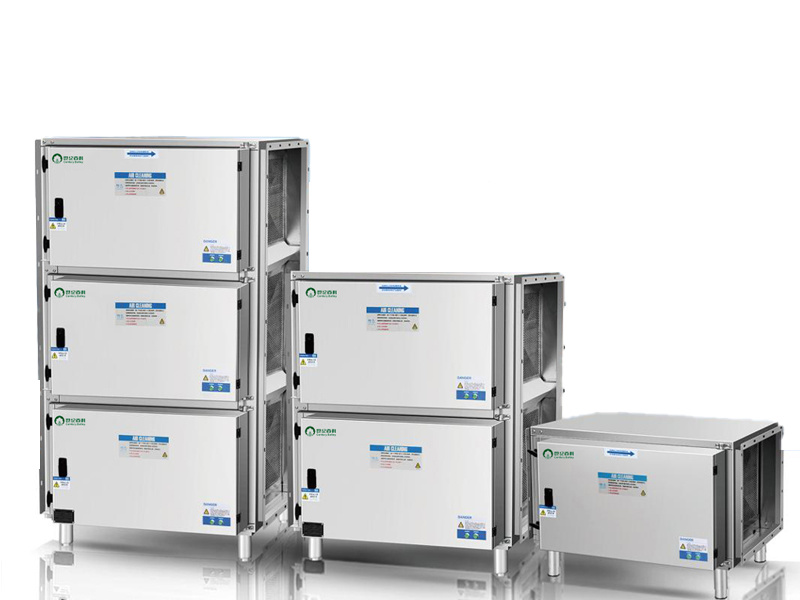
- **Electrostatic Precipitators**: These devices use electrical charges to remove particles from the air, providing an additional layer of filtration.
Automation Features
Automatic cleaning purifiers come equipped with smart technologies that allow for real-time monitoring of air quality. Features include:
- **Air Quality Sensors**: These sensors detect pollution levels and adjust filtration speed accordingly.
- **Remote Control Capabilities**: Users can control settings and monitor performance through mobile applications, enhancing convenience.
Key Benefits of Implementing Automatic Cleaning Purifiers
The integration of automatic cleaning purifiers brings various advantages that positively impact factory operations.
Enhanced Worker Health and Safety
By ensuring high air quality, these purifiers reduce the risk of health issues associated with air pollution, promoting a healthier workforce.
Increased Productivity
Employees who work in clean air environments are more focused and productive. Studies indicate that improved air quality can lead to a **10-20% boost** in productivity levels.
Cost-Effectiveness
Investing in automatic cleaning purifiers can lead to long-term savings:
- **Reduced Healthcare Costs**: Fewer health-related absences can lower insurance premiums and healthcare expenses.
- **Extended Equipment Lifespan**: Clean air helps preserve machinery and equipment, leading to fewer breakdowns and repairs.
Environmental Sustainability
Many automatic cleaning purifiers are designed with energy efficiency in mind. By reducing energy consumption and filtering out harmful emissions, these devices contribute to more sustainable industrial operations.
Choosing the Right Automatic Cleaning Purifier
Selecting the appropriate purifier for your factory involves several considerations.
Assessing Factory Size and Airflow Needs
The size of your factory and the volume of air needing filtration are crucial factors. Larger spaces may require multiple units or specialized systems to ensure effective purification.
Understanding Filter Types and Maintenance Requirements
Different purifiers offer various filtration technologies. Understanding the type of contaminants prevalent in your factory will help in selecting the right system. Also, consider the maintenance needs of different filters to ensure optimal performance.
Budget and Cost Considerations
Establishing a budget for your air purification system is essential. While initial costs can be high, the long-term benefits often justify the investment. Be sure to consider potential savings in healthcare and operational costs when evaluating options.
Case Studies: Success Stories of Automatic Cleaning Purifiers in Action
Examining real-life implementations of automatic cleaning purifiers can provide insights into their effectiveness.
Case Study 1: Manufacturing Plant Transformation
A large manufacturing facility in the automotive sector faced significant issues with air quality. After installing automatic cleaning purifiers, they observed:
- A **50% reduction** in employee sick days.
- Increased production efficiency by **15%** within six months.
Case Study 2: Food Processing Facility Improvement
A food processing factory implemented automatic cleaning purifiers to comply with health regulations. The outcome included:
- Meeting and exceeding safety standards.
- Enhanced product quality due to a cleaner processing environment.
Frequently Asked Questions (FAQs)
What is the primary function of automatic cleaning purifiers?
Automatic cleaning purifiers primarily filter and purify air by removing airborne contaminants, ensuring cleaner and healthier indoor air quality.
How often do filters need to be replaced in automatic cleaning purifiers?
Filter replacement frequency depends on usage and air quality but typically ranges from every 3 to 12 months.
Can automatic cleaning purifiers eliminate odors?
Yes, many automatic cleaning purifiers use activated carbon filters which effectively adsorb odors and VOCs from the air.
Are automatic cleaning purifiers energy-efficient?
Most modern automatic cleaning purifiers are designed to be energy-efficient, helping to reduce electricity consumption.
Can these purifiers be used in various industrial settings?
Yes, automatic cleaning purifiers are versatile and can be utilized in various industrial environments, including manufacturing, food processing, and chemical plants.
Conclusion
The integration of **automatic cleaning purifiers in factories** presents a transformative opportunity to enhance air quality, protect worker health, and boost productivity. By leveraging advanced filtration technologies and smart features, these purifiers can significantly impact industrial environments. Investing in these systems not only ensures compliance with health regulations but also fosters a sustainable and efficient operational framework. Embracing this technology is a step toward a cleaner, safer, and more productive future for factories.
More news


Hotline:+86 136 849 29821
Email:13684929821@139.com
Address:No. 6, Junzibubujun Industrial Road, Guanlan, Longhua New District, Shenzhen


