

-
AboutShenzhen Century Bailey Environmental Protection Technology Co., Ltd. (referred to as "Century Bailey") is located by the Guanlan Lake of the World Golf Village, adjacent to the Shanshui Tianyuan Tourism and Culture Park. It is a national high-tech enterprise and a specialized and new enterprise focusing on the research, development, production, and sales of catering industry oil fume purification products.
-
ProductShenzhen Century Bailey Environmental Protection Technology Co., Ltd. (referred to as "Century Bailey") is located by the Guanlan Lake of the World Golf Village, adjacent to the Shanshui Tianyuan Tourism and Culture Park. It is a national high-tech enterprise and a specialized and new enterprise focusing on the research, development, production, and sales of catering industry oil fume purification products.
-
Core AdvantagesShenzhen Century Bailey Environmental Protection Technology Co., Ltd. (referred to as "Century Bailey") is located by the Guanlan Lake of the World Golf Village, adjacent to the Shanshui Tianyuan Tourism and Culture Park. It is a national high-tech enterprise and a specialized and new enterprise focusing on the research, development, production, and sales of catering industry oil fume purification products.
-
CasesShenzhen Century Bailey Environmental Protection Technology Co., Ltd. (referred to as "Century Bailey") is located by the Guanlan Lake of the World Golf Village, adjacent to the Shanshui Tianyuan Tourism and Culture Park. It is a national high-tech enterprise and a specialized and new enterprise focusing on the research, development, production, and sales of catering industry oil fume purification products.
-
Customer serviceShenzhen Century Bailey Environmental Protection Technology Co., Ltd. (referred to as "Century Bailey") is located by the Guanlan Lake of the World Golf Village, adjacent to the Shanshui Tianyuan Tourism and Culture Park. It is a national high-tech enterprise and a specialized and new enterprise focusing on the research, development, production, and sales of catering industry oil fume purification products.
-
ContactShenzhen Century Bailey Environmental Protection Technology Co., Ltd. (referred to as "Century Bailey") is located by the Guanlan Lake of the World Golf Village, adjacent to the Shanshui Tianyuan Tourism and Culture Park. It is a national high-tech enterprise and a specialized and new enterprise focusing on the research, development, production, and sales of catering industry oil fume purification products.
Revolutionizing Air Quality: The Role of Automatic Cleaning Purifiers in Industrial Settings
Release time:
2026-01-30
In today's industrial landscape, maintaining clean air is increasingly important, particularly in environments where pollutants such as smoke, dust, and harmful particulates are prevalent. Automatic cleaning purifiers have emerged as an essential solution for improving air quality, providing a proactive approach to managing airborne contaminants. These advanced devices utilize sophisticated filtra

In today's industrial landscape, maintaining clean air is increasingly important, particularly in environments where pollutants such as smoke, dust, and harmful particulates are prevalent. Automatic cleaning purifiers have emerged as an essential solution for improving air quality, providing a proactive approach to managing airborne contaminants. These advanced devices utilize sophisticated filtration and purification technologies to ensure that the air remains free of harmful substances.
One of the primary advantages of automatic cleaning purifiers is their self-cleaning capabilities. Traditional air purification systems often require manual maintenance and filter changes, which can be time-consuming and labor-intensive. In contrast, automatic cleaning purifiers are designed to minimize human intervention by integrating self-cleaning mechanisms. This feature not only extends the lifespan of the filters but also ensures consistent performance, reducing downtime and operational costs for businesses.
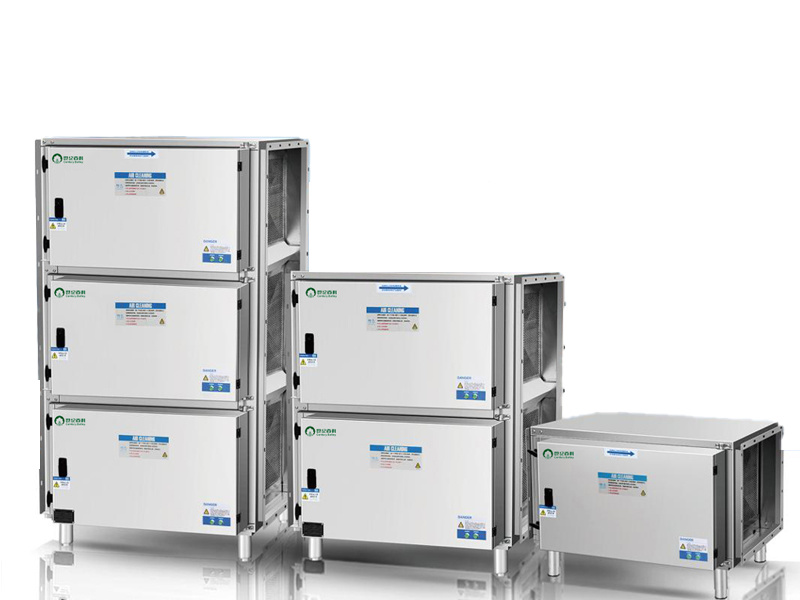
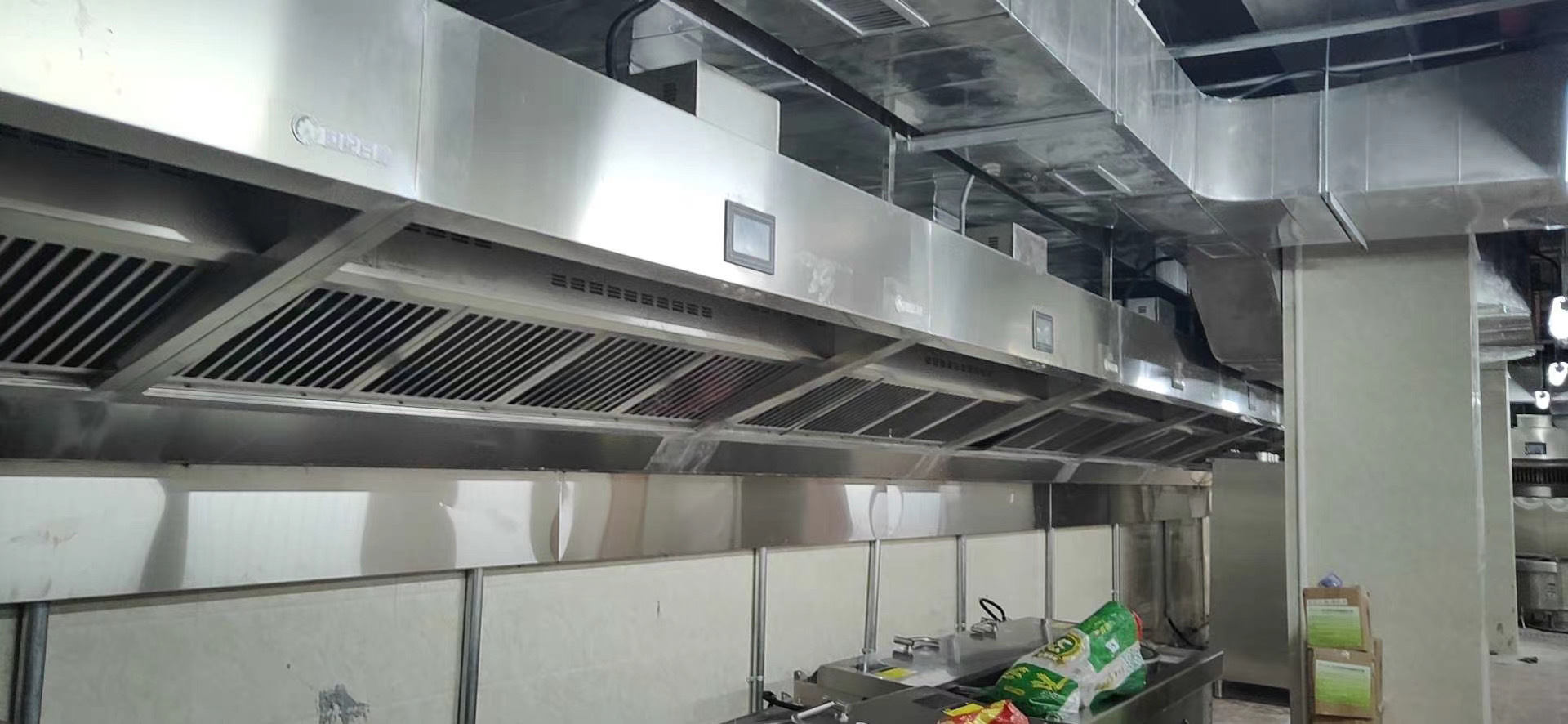
Automatic cleaning purifiers typically employ a combination of filtration methods, including HEPA (High Efficiency Particulate Air) filters, activated carbon filters, and electrostatic precipitators. HEPA filters are particularly effective at trapping very small particles, while activated carbon filters help to eliminate odors and chemical vapors. Electrostatic precipitators use an electrical charge to remove pollutants from the air, making these purifiers highly efficient and capable of handling various types of contaminants. By utilizing these technologies, businesses can create a healthier work environment and mitigate the risks associated with poor air quality.
Furthermore, the integration of smart technology into automatic cleaning purifiers allows for real-time monitoring and control of air quality. Many modern purifiers come equipped with sensors that detect changes in pollutant levels, automatically adjusting the purification process to ensure optimal performance. This adaptability not only enhances the effectiveness of the system but also provides valuable data for businesses to track air quality trends over time. Understanding these patterns can inform maintenance schedules and operational procedures, leading to a more comprehensive approach to workplace safety.
In conclusion, automatic cleaning purifiers are a vital component in the quest for improved air quality within industrial settings. Their self-cleaning features, advanced filtration technologies, and smart capabilities position them as a leading solution for managing airborne pollutants. By investing in these innovative devices, businesses can ensure a healthier environment for their employees, comply with regulatory standards, and enhance overall operational efficiency. As industries continue to prioritize health and safety, the role of automatic cleaning purifiers will undoubtedly become more prominent in safeguarding air quality.
One of the primary advantages of automatic cleaning purifiers is their self-cleaning capabilities. Traditional air purification systems often require manual maintenance and filter changes, which can be time-consuming and labor-intensive. In contrast, automatic cleaning purifiers are designed to minimize human intervention by integrating self-cleaning mechanisms. This feature not only extends the lifespan of the filters but also ensures consistent performance, reducing downtime and operational costs for businesses.
Automatic cleaning purifiers typically employ a combination of filtration methods, including HEPA (High Efficiency Particulate Air) filters, activated carbon filters, and electrostatic precipitators. HEPA filters are particularly effective at trapping very small particles, while activated carbon filters help to eliminate odors and chemical vapors. Electrostatic precipitators use an electrical charge to remove pollutants from the air, making these purifiers highly efficient and capable of handling various types of contaminants. By utilizing these technologies, businesses can create a healthier work environment and mitigate the risks associated with poor air quality.
Furthermore, the integration of smart technology into automatic cleaning purifiers allows for real-time monitoring and control of air quality. Many modern purifiers come equipped with sensors that detect changes in pollutant levels, automatically adjusting the purification process to ensure optimal performance. This adaptability not only enhances the effectiveness of the system but also provides valuable data for businesses to track air quality trends over time. Understanding these patterns can inform maintenance schedules and operational procedures, leading to a more comprehensive approach to workplace safety.
In conclusion, automatic cleaning purifiers are a vital component in the quest for improved air quality within industrial settings. Their self-cleaning features, advanced filtration technologies, and smart capabilities position them as a leading solution for managing airborne pollutants. By investing in these innovative devices, businesses can ensure a healthier environment for their employees, comply with regulatory standards, and enhance overall operational efficiency. As industries continue to prioritize health and safety, the role of automatic cleaning purifiers will undoubtedly become more prominent in safeguarding air quality.
More news


Hotline:+86 136 849 29821
Email:13684929821@139.com
Address:No. 6, Junzibubujun Industrial Road, Guanlan, Longhua New District, Shenzhen


