

-
AboutShenzhen Century Bailey Environmental Protection Technology Co., Ltd. (referred to as "Century Bailey") is located by the Guanlan Lake of the World Golf Village, adjacent to the Shanshui Tianyuan Tourism and Culture Park. It is a national high-tech enterprise and a specialized and new enterprise focusing on the research, development, production, and sales of catering industry oil fume purification products.
-
ProductShenzhen Century Bailey Environmental Protection Technology Co., Ltd. (referred to as "Century Bailey") is located by the Guanlan Lake of the World Golf Village, adjacent to the Shanshui Tianyuan Tourism and Culture Park. It is a national high-tech enterprise and a specialized and new enterprise focusing on the research, development, production, and sales of catering industry oil fume purification products.
-
Core AdvantagesShenzhen Century Bailey Environmental Protection Technology Co., Ltd. (referred to as "Century Bailey") is located by the Guanlan Lake of the World Golf Village, adjacent to the Shanshui Tianyuan Tourism and Culture Park. It is a national high-tech enterprise and a specialized and new enterprise focusing on the research, development, production, and sales of catering industry oil fume purification products.
-
CasesShenzhen Century Bailey Environmental Protection Technology Co., Ltd. (referred to as "Century Bailey") is located by the Guanlan Lake of the World Golf Village, adjacent to the Shanshui Tianyuan Tourism and Culture Park. It is a national high-tech enterprise and a specialized and new enterprise focusing on the research, development, production, and sales of catering industry oil fume purification products.
-
Customer serviceShenzhen Century Bailey Environmental Protection Technology Co., Ltd. (referred to as "Century Bailey") is located by the Guanlan Lake of the World Golf Village, adjacent to the Shanshui Tianyuan Tourism and Culture Park. It is a national high-tech enterprise and a specialized and new enterprise focusing on the research, development, production, and sales of catering industry oil fume purification products.
-
ContactShenzhen Century Bailey Environmental Protection Technology Co., Ltd. (referred to as "Century Bailey") is located by the Guanlan Lake of the World Golf Village, adjacent to the Shanshui Tianyuan Tourism and Culture Park. It is a national high-tech enterprise and a specialized and new enterprise focusing on the research, development, production, and sales of catering industry oil fume purification products.
Enhancing Industrial Air Quality: The Role of Low-Altitude Direct Exhaust Fume Purifiers
Release time:
2026-01-24
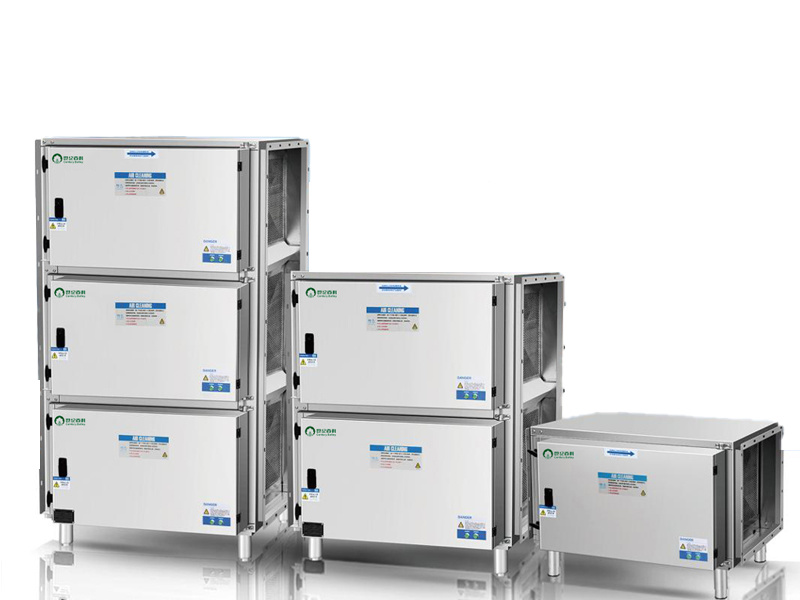
In industrial environments, maintaining air quality is paramount, particularly when dealing with processes that generate harmful fumes and emissions. Low-altitude direct exhaust fume purifiers are specialized devices designed to effectively manage and eliminate these pollutants at the source. These purifiers operate by capturing exhaust fumes before they disperse into the atmosphere, significantly

In industrial environments, maintaining air quality is paramount, particularly when dealing with processes that generate harmful fumes and emissions. Low-altitude direct exhaust fume purifiers are specialized devices designed to effectively manage and eliminate these pollutants at the source. These purifiers operate by capturing exhaust fumes before they disperse into the atmosphere, significantly reducing the potential health risks associated with inhaling contaminated air.
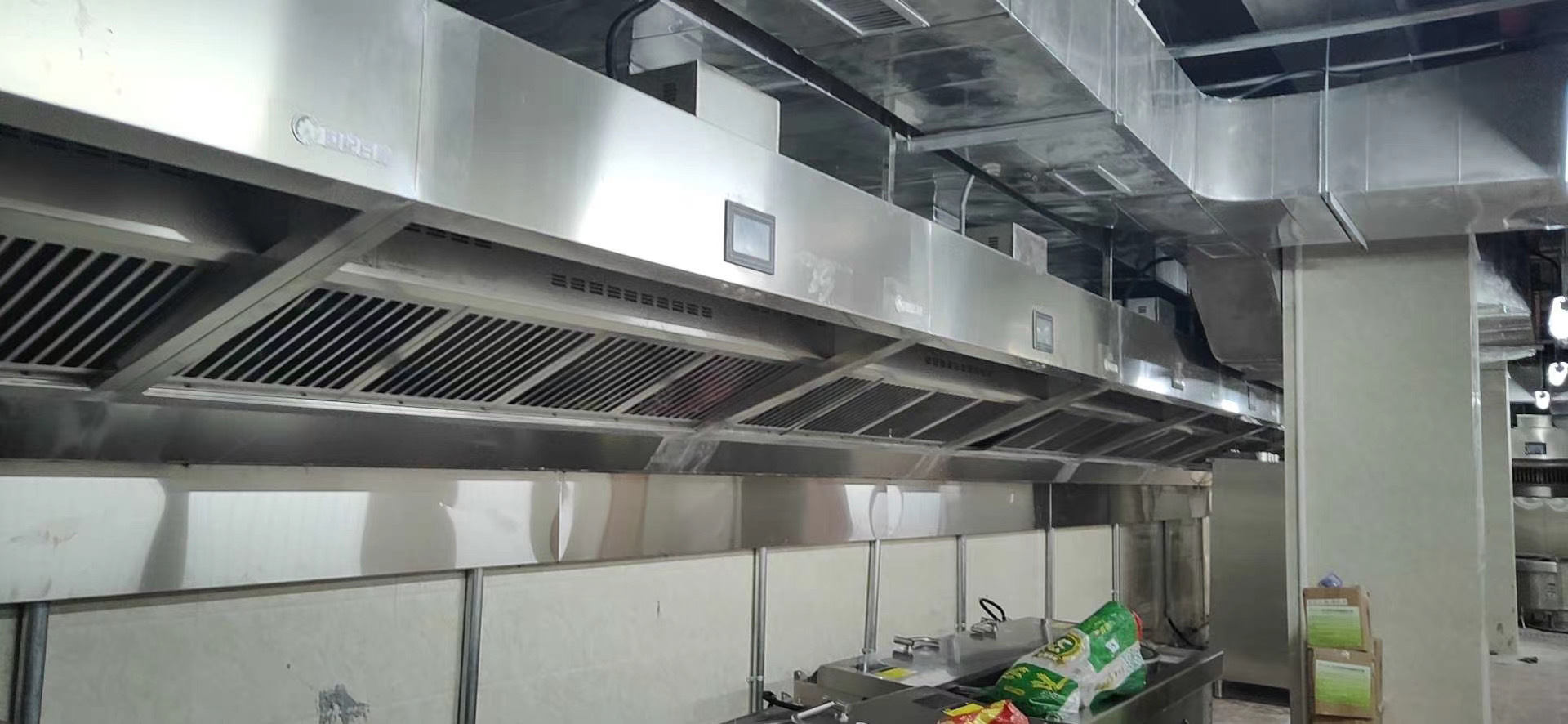
One of the key benefits of low-altitude direct exhaust fume purifiers is their ability to operate efficiently in confined spaces. Unlike traditional exhaust systems that often vent pollutants high into the atmosphere, these purifiers work at lower altitudes, targeting pollutants where they are generated. This localized approach not only enhances purification efficiency but also minimizes the impact of emissions on the surrounding environment.
In terms of functionality, these purifiers utilize advanced filtration technologies, including electrostatic precipitation and activated carbon filters, to capture particulate matter and volatile organic compounds (VOCs). The process typically involves the following steps: exhaust fumes are drawn into the purifier, where they pass through a series of filters designed to capture harmful particles. The purified air is then released back into the workplace or the atmosphere, ensuring that emissions are kept to a minimum.
When considering the implementation of low-altitude direct exhaust fume purifiers, it is essential to assess the specific needs of your industrial operation. Factors such as the type of fumes generated, volume of emissions, and workplace layout should be evaluated to determine the most suitable purifier model. Additionally, regular maintenance and monitoring are critical to ensuring optimal performance and longevity of the equipment.
Moreover, compliance with environmental regulations cannot be overlooked. Many industries are subject to strict emissions standards, and employing low-altitude direct exhaust fume purifiers can help achieve compliance while promoting a healthier work environment. Utilizing such devices not only protects employee health but also contributes to a company's overall sustainability goals.
In conclusion, low-altitude direct exhaust fume purifiers play an essential role in improving air quality in industrial settings. By capturing harmful emissions at their source and employing advanced filtration technologies, these purifiers provide an effective solution for managing industrial pollutants. Companies looking to enhance workplace safety and comply with environmental regulations should consider integrating these devices into their operations, ultimately fostering a healthier and more sustainable work environment.
One of the key benefits of low-altitude direct exhaust fume purifiers is their ability to operate efficiently in confined spaces. Unlike traditional exhaust systems that often vent pollutants high into the atmosphere, these purifiers work at lower altitudes, targeting pollutants where they are generated. This localized approach not only enhances purification efficiency but also minimizes the impact of emissions on the surrounding environment.
In terms of functionality, these purifiers utilize advanced filtration technologies, including electrostatic precipitation and activated carbon filters, to capture particulate matter and volatile organic compounds (VOCs). The process typically involves the following steps: exhaust fumes are drawn into the purifier, where they pass through a series of filters designed to capture harmful particles. The purified air is then released back into the workplace or the atmosphere, ensuring that emissions are kept to a minimum.
When considering the implementation of low-altitude direct exhaust fume purifiers, it is essential to assess the specific needs of your industrial operation. Factors such as the type of fumes generated, volume of emissions, and workplace layout should be evaluated to determine the most suitable purifier model. Additionally, regular maintenance and monitoring are critical to ensuring optimal performance and longevity of the equipment.
Moreover, compliance with environmental regulations cannot be overlooked. Many industries are subject to strict emissions standards, and employing low-altitude direct exhaust fume purifiers can help achieve compliance while promoting a healthier work environment. Utilizing such devices not only protects employee health but also contributes to a company's overall sustainability goals.
In conclusion, low-altitude direct exhaust fume purifiers play an essential role in improving air quality in industrial settings. By capturing harmful emissions at their source and employing advanced filtration technologies, these purifiers provide an effective solution for managing industrial pollutants. Companies looking to enhance workplace safety and comply with environmental regulations should consider integrating these devices into their operations, ultimately fostering a healthier and more sustainable work environment.
More news


Hotline:+86 136 849 29821
Email:13684929821@139.com
Address:No. 6, Junzibubujun Industrial Road, Guanlan, Longhua New District, Shenzhen


