

-
AboutShenzhen Century Bailey Environmental Protection Technology Co., Ltd. (referred to as "Century Bailey") is located by the Guanlan Lake of the World Golf Village, adjacent to the Shanshui Tianyuan Tourism and Culture Park. It is a national high-tech enterprise and a specialized and new enterprise focusing on the research, development, production, and sales of catering industry oil fume purification products.
-
ProductShenzhen Century Bailey Environmental Protection Technology Co., Ltd. (referred to as "Century Bailey") is located by the Guanlan Lake of the World Golf Village, adjacent to the Shanshui Tianyuan Tourism and Culture Park. It is a national high-tech enterprise and a specialized and new enterprise focusing on the research, development, production, and sales of catering industry oil fume purification products.
-
Core AdvantagesShenzhen Century Bailey Environmental Protection Technology Co., Ltd. (referred to as "Century Bailey") is located by the Guanlan Lake of the World Golf Village, adjacent to the Shanshui Tianyuan Tourism and Culture Park. It is a national high-tech enterprise and a specialized and new enterprise focusing on the research, development, production, and sales of catering industry oil fume purification products.
-
CasesShenzhen Century Bailey Environmental Protection Technology Co., Ltd. (referred to as "Century Bailey") is located by the Guanlan Lake of the World Golf Village, adjacent to the Shanshui Tianyuan Tourism and Culture Park. It is a national high-tech enterprise and a specialized and new enterprise focusing on the research, development, production, and sales of catering industry oil fume purification products.
-
Customer serviceShenzhen Century Bailey Environmental Protection Technology Co., Ltd. (referred to as "Century Bailey") is located by the Guanlan Lake of the World Golf Village, adjacent to the Shanshui Tianyuan Tourism and Culture Park. It is a national high-tech enterprise and a specialized and new enterprise focusing on the research, development, production, and sales of catering industry oil fume purification products.
-
ContactShenzhen Century Bailey Environmental Protection Technology Co., Ltd. (referred to as "Century Bailey") is located by the Guanlan Lake of the World Golf Village, adjacent to the Shanshui Tianyuan Tourism and Culture Park. It is a national high-tech enterprise and a specialized and new enterprise focusing on the research, development, production, and sales of catering industry oil fume purification products.
Effective Solutions: The Role of Combined Fume Purifiers in Air Management
Release time:
2026-01-21
Effective Solutions: The Role of Combined Fume Purifiers in Air Management Table of Contents Introduction to Air Quality Management Understanding Combined Fume Purifiers What Are Fume Purifiers? How Do Combined Fume Purifiers Work? The Importance of Air Quality in Industrial Settings Benefits of Combined Fume Purifiers Health Benefi

Effective Solutions: The Role of Combined Fume Purifiers in Air Management
Table of Contents
- Introduction to Air Quality Management
- Understanding Combined Fume Purifiers
- The Importance of Air Quality in Industrial Settings
- Benefits of Combined Fume Purifiers
- Applications of Combined Fume Purifiers
- Choosing the Right Combined Fume Purifier
- Maintenance for Optimal Performance
- Conclusion
- Frequently Asked Questions (FAQs)
Introduction to Air Quality Management
In today’s industrial landscape, **air quality management** has become increasingly crucial. The presence of harmful fumes and particulates poses significant health risks to workers and can negatively impact productivity. With stringent regulations governing air quality, industries must explore effective solutions to purify the air. One such solution is the **combined fume purifier**, which plays a vital role in ensuring safe and healthy working environments. This article delves into how combined fume purifiers function and the myriad benefits they offer for air management.
Understanding Combined Fume Purifiers
What Are Fume Purifiers?
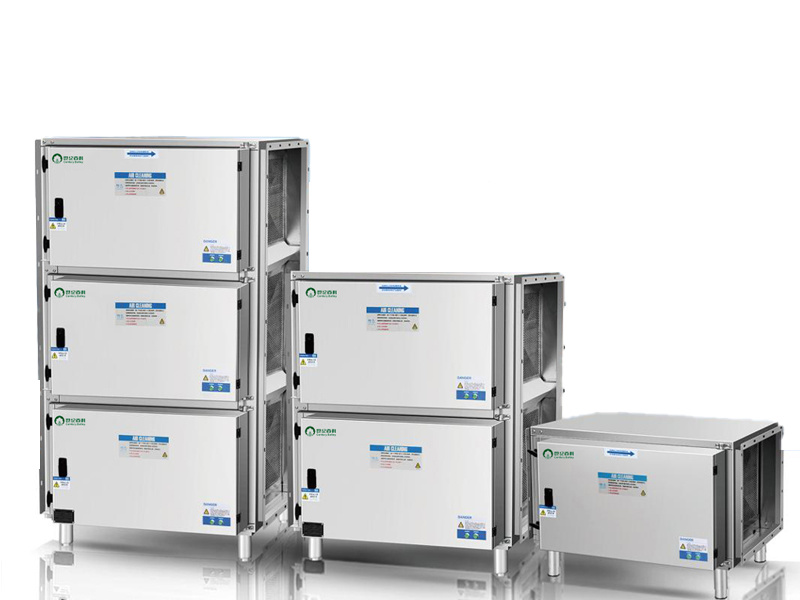
Combined fume purifiers are sophisticated devices designed to remove airborne contaminants, including **volatile organic compounds (VOCs)**, odors, and particulate matter. These purifiers utilize advanced filtration systems, often combining multiple technologies—such as electrostatic precipitators, activated carbon filters, and HEPA filters—to achieve optimal air quality. By targeting a wide range of pollutants, they ensure that the air in industrial settings remains clean and safe for occupants.
How Do Combined Fume Purifiers Work?
The operation of combined fume purifiers can be summarized in a few key steps:
1. **Air Intake**: Contaminated air is drawn into the purifier through a fan or blower system.
2. **Pre-Filtration**: Initial filtration captures larger particles, extending the life of subsequent filters.
3. **Electrostatic Precipitation**: Charged plates attract and remove smaller particles from the air stream.
4. **Chemical Filtration**: Activated carbon or chemical scrubbers neutralize harmful gases and odors.
5. **HEPA Filtration**: Final filtration removes almost all remaining particulates, ensuring clean air is released back into the environment.
This multi-stage approach not only enhances efficiency but also significantly reduces the risk of cross-contamination and re-emission of pollutants.
The Importance of Air Quality in Industrial Settings
Maintaining excellent air quality in industrial settings is crucial for several reasons:
- **Worker Health**: Poor air quality can lead to respiratory issues, chronic illnesses, and decreased overall well-being among employees. Ensuring clean air contributes to better health outcomes.
- **Regulatory Compliance**: Industries are required to adhere to various regulations regarding air quality. Failure to comply can result in hefty fines and legal ramifications.
- **Productivity**: Clean air promotes higher employee productivity, as workers are less likely to suffer from fatigue or illness related to poor air quality.
- **Company Reputation**: Companies that prioritize air quality management demonstrate a commitment to employee welfare, enhancing their reputation in the industry.
Investing in combined fume purifiers is a proactive step in safeguarding both the health of employees and the bottom line.
Benefits of Combined Fume Purifiers
Health Benefits
The health benefits of combined fume purifiers are profound. By effectively reducing exposure to harmful pollutants, these devices contribute to a safer work environment. Employees experience fewer incidences of allergies, asthma, and other respiratory issues. Additionally, improved air quality can lead to decreased absenteeism, which ultimately boosts productivity.
Environmental Benefits
Beyond protecting human health, combined fume purifiers also support environmental sustainability. By capturing pollutants before they enter the atmosphere, these systems reduce the overall carbon footprint of industrial operations. This alignment with eco-friendly practices enhances corporate social responsibility initiatives and promotes a healthier planet.
Economic Benefits
Investing in combined fume purifiers can result in significant economic advantages. Cleaner air often translates to lower healthcare costs for employee-related illnesses and reduced liability for the company. Moreover, industries may also benefit from lower energy costs, as high-quality air systems can operate more efficiently than traditional methods.
Applications of Combined Fume Purifiers
Combined fume purifiers find applications in various sectors, including:
- **Manufacturing**: Industries that generate harmful fumes or dust, such as metalworking or chemical manufacturing, rely on these purifiers to maintain air quality.
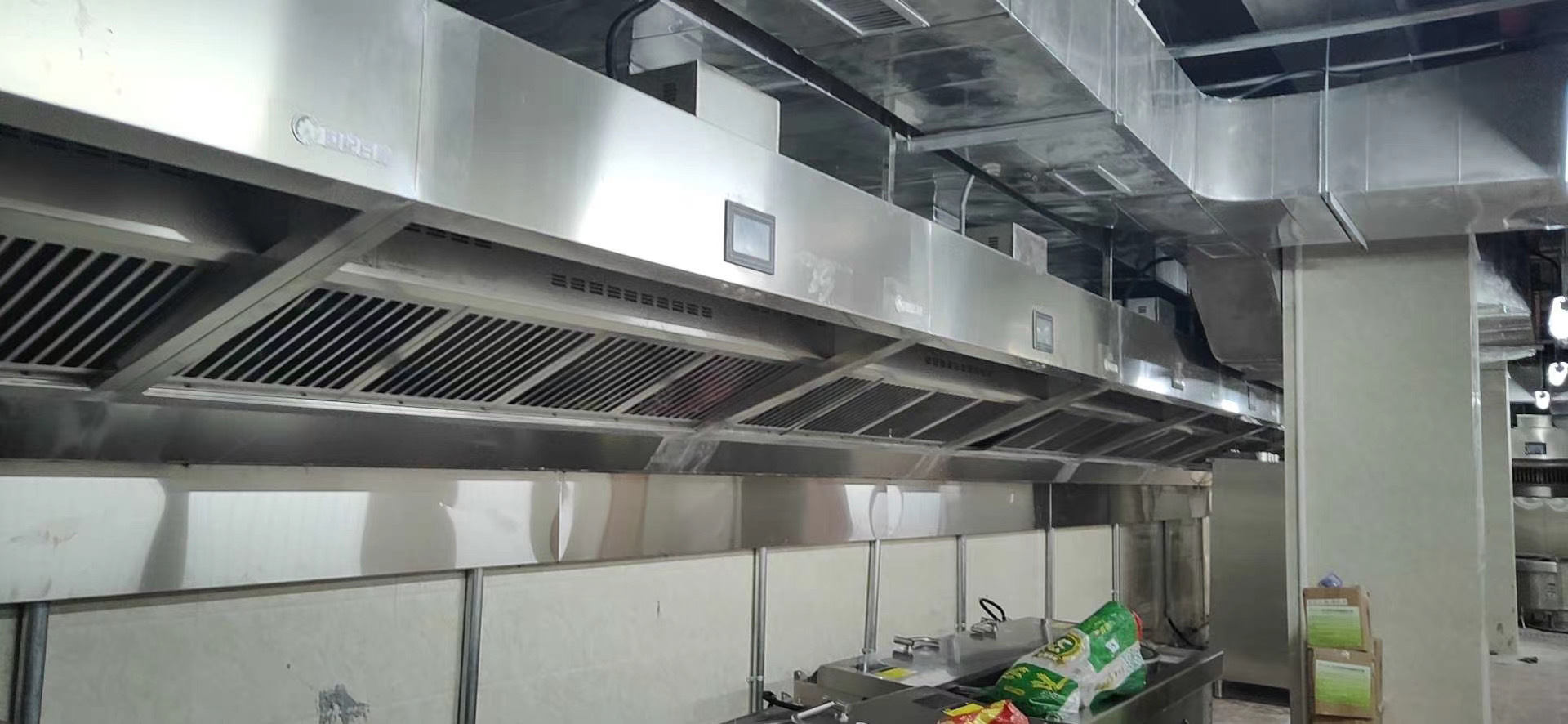
- **Food Processing**: Ensuring the air is free from contaminants is crucial in food processing environments to maintain hygiene and safety standards.
- **Healthcare**: Hospitals and laboratories utilize these purifiers to protect patients and staff from airborne pathogens and harmful chemicals.
- **Automotive**: The automotive industry employs fume purifiers to eliminate toxic vapors and particulates generated during production and painting processes.
Each of these applications highlights the versatility and essential nature of combined fume purifiers in maintaining clean air across diverse environments.
Choosing the Right Combined Fume Purifier
When selecting a combined fume purifier, several factors need to be considered to ensure optimal performance:
1. **Pollutant Types**: Identify the specific types of contaminants that need to be removed. Different purifiers target various pollutants effectively.
2. **Airflow Requirements**: Calculate the required airflow rate based on the size of the facility and the level of contamination.
3. **Space Constraints**: Consider the space available for installation, as some systems may require more room than others.
4. **Maintenance Needs**: Evaluate the maintenance requirements of the purifier, including filter replacement frequency and cleaning protocols.
5. **Regulatory Compliance**: Ensure that the selected system meets relevant industry standards and regulations for air quality.
By thoroughly assessing these factors, businesses can select a combined fume purifier that best meets their air management needs.
Maintenance for Optimal Performance
To ensure the longevity and efficacy of combined fume purifiers, regular maintenance is essential. This includes:
- **Routine Inspections**: Schedule periodic inspections to identify any potential issues early on.
- **Filter Replacement**: Follow the manufacturer's guidelines for replacing filters to maintain optimal airflow and filtration efficiency.
- **Clean the System**: Regularly clean the units to prevent buildup of dust and contaminants, which can hinder performance.
- **Monitor Air Quality**: Utilize air quality monitoring systems to assess the effectiveness of the purifier and make adjustments as necessary.
A commitment to maintenance not only enhances performance but also extends the lifespan of the equipment.
Conclusion
Combined fume purifiers play a critical role in air management within industrial settings. Through their advanced filtration systems, they effectively reduce harmful pollutants, ensuring a safe and healthy working environment for employees. The benefits—ranging from improved health and environmental sustainability to economic advantages—underscore the importance of investing in these systems. By understanding how to select and maintain the right fume purifier, businesses can enhance their air quality management efforts significantly.
Frequently Asked Questions (FAQs)
1. What types of pollutants can combined fume purifiers remove?
Combined fume purifiers can effectively remove a variety of pollutants, including VOCs, particulates, odors, and harmful gases.
2. How often should the filters in a fume purifier be replaced?
The frequency of filter replacement depends on usage and manufacturer recommendations, but typically ranges from every few months to annually.
3. Can combined fume purifiers help with odor control?
Yes, combined fume purifiers equipped with activated carbon filters are particularly effective at neutralizing odors.
4. Are combined fume purifiers energy-efficient?
Many modern combined fume purifiers are designed for energy efficiency, often resulting in lower operational costs compared to traditional systems.
5. How can I ensure my fume purifier works effectively?
Regular maintenance, including timely filter replacements and system cleaning, is vital for ensuring optimal performance and air quality management.
By addressing these aspects of combined fume purifiers, we can promote healthier industrial environments and contribute to better air quality for all.
More news


Hotline:+86 136 849 29821
Email:13684929821@139.com
Address:No. 6, Junzibubujun Industrial Road, Guanlan, Longhua New District, Shenzhen


