

-
AboutShenzhen Century Bailey Environmental Protection Technology Co., Ltd. (referred to as "Century Bailey") is located by the Guanlan Lake of the World Golf Village, adjacent to the Shanshui Tianyuan Tourism and Culture Park. It is a national high-tech enterprise and a specialized and new enterprise focusing on the research, development, production, and sales of catering industry oil fume purification products.
-
ProductShenzhen Century Bailey Environmental Protection Technology Co., Ltd. (referred to as "Century Bailey") is located by the Guanlan Lake of the World Golf Village, adjacent to the Shanshui Tianyuan Tourism and Culture Park. It is a national high-tech enterprise and a specialized and new enterprise focusing on the research, development, production, and sales of catering industry oil fume purification products.
-
Core AdvantagesShenzhen Century Bailey Environmental Protection Technology Co., Ltd. (referred to as "Century Bailey") is located by the Guanlan Lake of the World Golf Village, adjacent to the Shanshui Tianyuan Tourism and Culture Park. It is a national high-tech enterprise and a specialized and new enterprise focusing on the research, development, production, and sales of catering industry oil fume purification products.
-
CasesShenzhen Century Bailey Environmental Protection Technology Co., Ltd. (referred to as "Century Bailey") is located by the Guanlan Lake of the World Golf Village, adjacent to the Shanshui Tianyuan Tourism and Culture Park. It is a national high-tech enterprise and a specialized and new enterprise focusing on the research, development, production, and sales of catering industry oil fume purification products.
-
Customer serviceShenzhen Century Bailey Environmental Protection Technology Co., Ltd. (referred to as "Century Bailey") is located by the Guanlan Lake of the World Golf Village, adjacent to the Shanshui Tianyuan Tourism and Culture Park. It is a national high-tech enterprise and a specialized and new enterprise focusing on the research, development, production, and sales of catering industry oil fume purification products.
-
ContactShenzhen Century Bailey Environmental Protection Technology Co., Ltd. (referred to as "Century Bailey") is located by the Guanlan Lake of the World Golf Village, adjacent to the Shanshui Tianyuan Tourism and Culture Park. It is a national high-tech enterprise and a specialized and new enterprise focusing on the research, development, production, and sales of catering industry oil fume purification products.
Understanding Combined Fume Purifiers: Essential Insights for Effective Air Quality Management
Release time:
2026-01-06
In today’s industrial landscape, maintaining air quality is crucial for both regulatory compliance and employee health. A combined fume purifier plays a significant role in this regard, serving as an essential component in the arsenal of air purification equipment. These devices are specifically designed to capture and neutralize harmful fumes and particulates generated during various industrial p

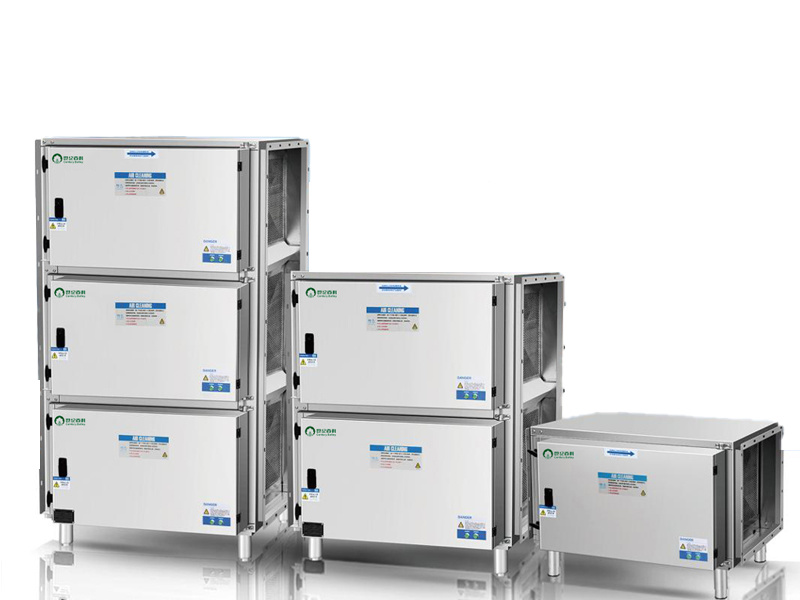
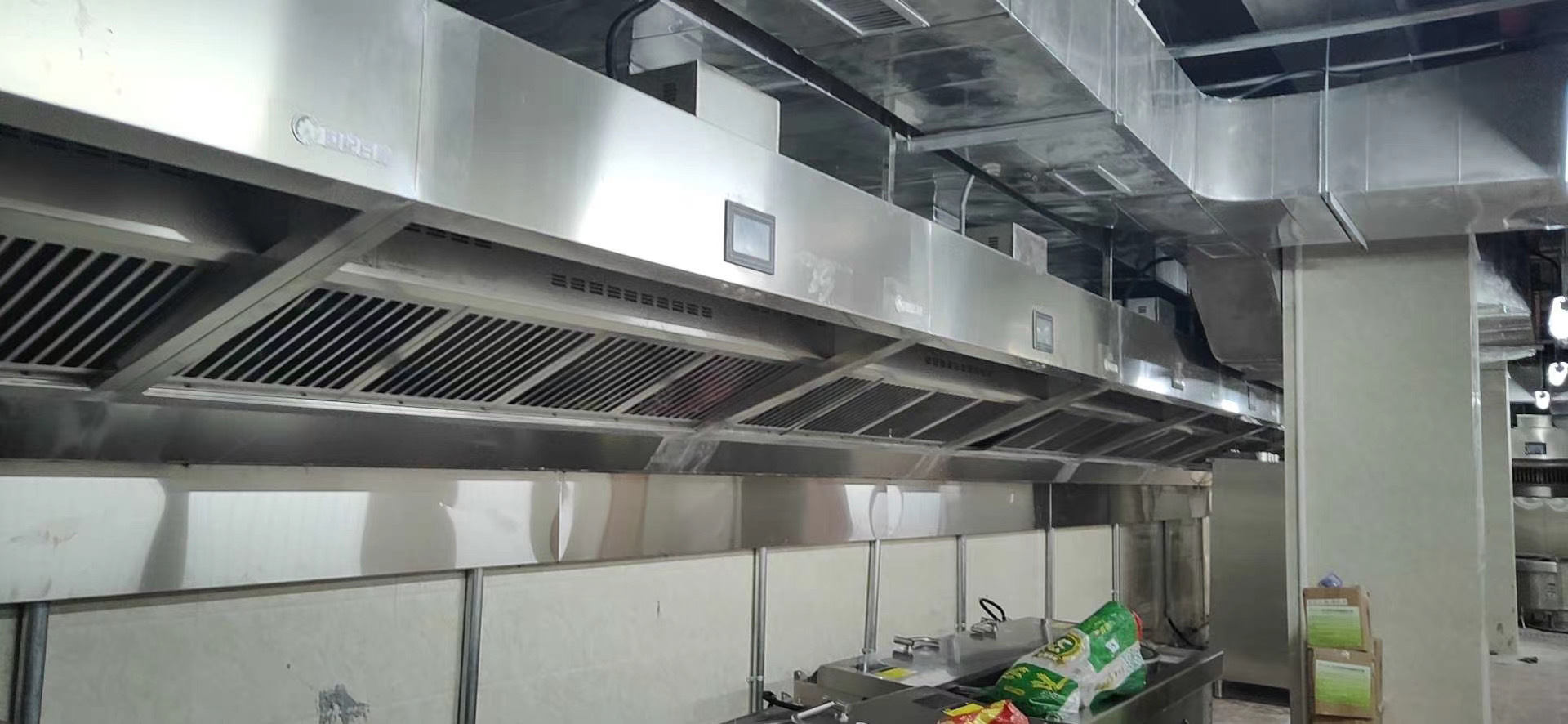
In today’s industrial landscape, maintaining air quality is crucial for both regulatory compliance and employee health. A combined fume purifier plays a significant role in this regard, serving as an essential component in the arsenal of air purification equipment. These devices are specifically designed to capture and neutralize harmful fumes and particulates generated during various industrial processes, including welding, soldering, and chemical manufacturing.
A combined fume purifier operates by employing multiple filtration technologies to tackle different types of contaminants. Typically, these systems integrate mechanical filtration, electrostatic precipitation, and activated carbon technology, allowing them to effectively capture aerosols, smoke, vapors, and odors. This multi-faceted approach ensures that a broad spectrum of pollutants is addressed, making these purifiers highly versatile for various applications.
One of the primary advantages of using a combined fume purifier is its ability to improve air quality in work environments significantly. By reducing airborne pollutants, these devices help to create a safer and more comfortable atmosphere for employees. This is particularly important in industries where workers are exposed to harmful substances that can lead to health issues over time. Cleaner air not only enhances worker productivity but also reduces the risk of respiratory diseases, thereby fostering a healthier workforce.
Moreover, combined fume purifiers are designed with energy efficiency in mind. Many modern models utilize advanced technologies that minimize energy consumption while maximizing purification effectiveness. This aspect not only helps in lowering operational costs but also supports environmentally sustainable practices by reducing the overall carbon footprint of industrial operations.
Installation and maintenance of combined fume purifiers are crucial elements for their effective operation. It is essential for companies to choose the right size and model that meets their specific air quality needs. Regular maintenance, including filter changes and system checks, is vital to ensure optimal performance and longevity of the equipment.
In terms of regulatory compliance, combined fume purifiers can assist industries in adhering to local and national air quality standards. By effectively controlling emissions, these devices can help organizations avoid penalties and demonstrate their commitment to environmental stewardship.
In conclusion, the implementation of a combined fume purifier is an invaluable investment for industries looking to enhance air quality and safeguard the health of their workforce. By understanding the functionality and benefits of these purifiers, businesses can make informed decisions that contribute to a cleaner, safer, and more efficient working environment.
A combined fume purifier operates by employing multiple filtration technologies to tackle different types of contaminants. Typically, these systems integrate mechanical filtration, electrostatic precipitation, and activated carbon technology, allowing them to effectively capture aerosols, smoke, vapors, and odors. This multi-faceted approach ensures that a broad spectrum of pollutants is addressed, making these purifiers highly versatile for various applications.
One of the primary advantages of using a combined fume purifier is its ability to improve air quality in work environments significantly. By reducing airborne pollutants, these devices help to create a safer and more comfortable atmosphere for employees. This is particularly important in industries where workers are exposed to harmful substances that can lead to health issues over time. Cleaner air not only enhances worker productivity but also reduces the risk of respiratory diseases, thereby fostering a healthier workforce.
Moreover, combined fume purifiers are designed with energy efficiency in mind. Many modern models utilize advanced technologies that minimize energy consumption while maximizing purification effectiveness. This aspect not only helps in lowering operational costs but also supports environmentally sustainable practices by reducing the overall carbon footprint of industrial operations.
Installation and maintenance of combined fume purifiers are crucial elements for their effective operation. It is essential for companies to choose the right size and model that meets their specific air quality needs. Regular maintenance, including filter changes and system checks, is vital to ensure optimal performance and longevity of the equipment.
In terms of regulatory compliance, combined fume purifiers can assist industries in adhering to local and national air quality standards. By effectively controlling emissions, these devices can help organizations avoid penalties and demonstrate their commitment to environmental stewardship.
In conclusion, the implementation of a combined fume purifier is an invaluable investment for industries looking to enhance air quality and safeguard the health of their workforce. By understanding the functionality and benefits of these purifiers, businesses can make informed decisions that contribute to a cleaner, safer, and more efficient working environment.
More news


Hotline:+86 136 849 29821
Email:13684929821@139.com
Address:No. 6, Junzibubujun Industrial Road, Guanlan, Longhua New District, Shenzhen


