

-
AboutShenzhen Century Bailey Environmental Protection Technology Co., Ltd. (referred to as "Century Bailey") is located by the Guanlan Lake of the World Golf Village, adjacent to the Shanshui Tianyuan Tourism and Culture Park. It is a national high-tech enterprise and a specialized and new enterprise focusing on the research, development, production, and sales of catering industry oil fume purification products.
-
ProductShenzhen Century Bailey Environmental Protection Technology Co., Ltd. (referred to as "Century Bailey") is located by the Guanlan Lake of the World Golf Village, adjacent to the Shanshui Tianyuan Tourism and Culture Park. It is a national high-tech enterprise and a specialized and new enterprise focusing on the research, development, production, and sales of catering industry oil fume purification products.
-
Core AdvantagesShenzhen Century Bailey Environmental Protection Technology Co., Ltd. (referred to as "Century Bailey") is located by the Guanlan Lake of the World Golf Village, adjacent to the Shanshui Tianyuan Tourism and Culture Park. It is a national high-tech enterprise and a specialized and new enterprise focusing on the research, development, production, and sales of catering industry oil fume purification products.
-
CasesShenzhen Century Bailey Environmental Protection Technology Co., Ltd. (referred to as "Century Bailey") is located by the Guanlan Lake of the World Golf Village, adjacent to the Shanshui Tianyuan Tourism and Culture Park. It is a national high-tech enterprise and a specialized and new enterprise focusing on the research, development, production, and sales of catering industry oil fume purification products.
-
Customer serviceShenzhen Century Bailey Environmental Protection Technology Co., Ltd. (referred to as "Century Bailey") is located by the Guanlan Lake of the World Golf Village, adjacent to the Shanshui Tianyuan Tourism and Culture Park. It is a national high-tech enterprise and a specialized and new enterprise focusing on the research, development, production, and sales of catering industry oil fume purification products.
-
ContactShenzhen Century Bailey Environmental Protection Technology Co., Ltd. (referred to as "Century Bailey") is located by the Guanlan Lake of the World Golf Village, adjacent to the Shanshui Tianyuan Tourism and Culture Park. It is a national high-tech enterprise and a specialized and new enterprise focusing on the research, development, production, and sales of catering industry oil fume purification products.
Revolutionizing Air Quality: The Role of Automatic Cleaning Purifiers in Industrial Settings
Release time:
2025-12-31
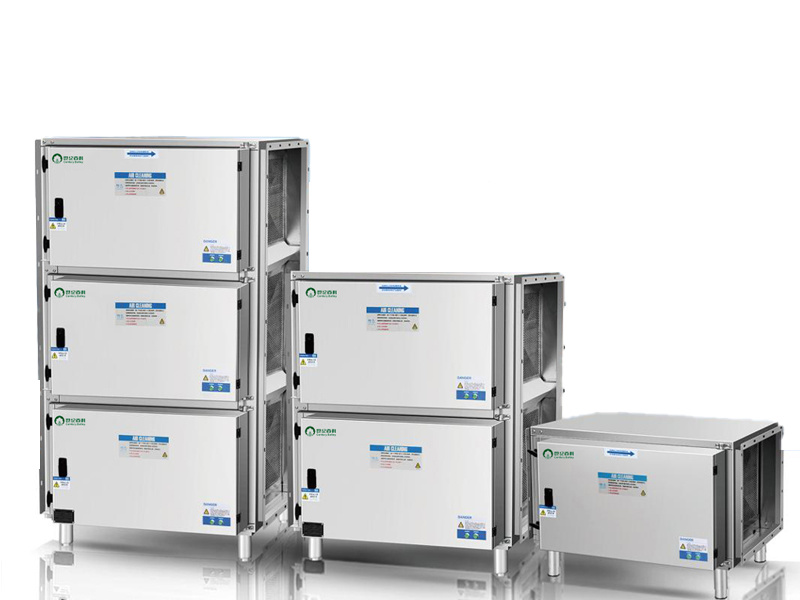
In today's fast-paced industrial landscape, maintaining optimal air quality is essential for the health of employees and the efficiency of operations. Automatic cleaning purifiers have emerged as a crucial component in achieving cleaner air in various industrial settings, particularly in environments where pollutants such as smoke, dust, and chemical fumes are prevalent. An automatic cleaning puri

In today's fast-paced industrial landscape, maintaining optimal air quality is essential for the health of employees and the efficiency of operations. Automatic cleaning purifiers have emerged as a crucial component in achieving cleaner air in various industrial settings, particularly in environments where pollutants such as smoke, dust, and chemical fumes are prevalent.
An automatic cleaning purifier employs advanced filtration technologies to remove harmful particles from the air. These devices are designed to operate continuously, ensuring that air quality remains high without the need for manual intervention. This automation not only saves time and labor costs but also guarantees consistency in air purification, making it a valuable investment for industries such as manufacturing, food processing, and automotive.
One of the primary benefits of using an automatic cleaning purifier is its ability to enhance workplace safety. Industrial settings often expose employees to airborne contaminants that can lead to respiratory issues and other health problems. By effectively filtering out these pollutants, businesses can create a safer environment that promotes employee well-being and boosts productivity.
Moreover, automatic cleaning purifiers are designed to be energy-efficient. Many modern units come equipped with smart sensors that adjust the purification process based on real-time air quality readings. This feature not only conserves energy but also ensures that the purifier operates at peak efficiency, providing optimal performance without unnecessary energy consumption.
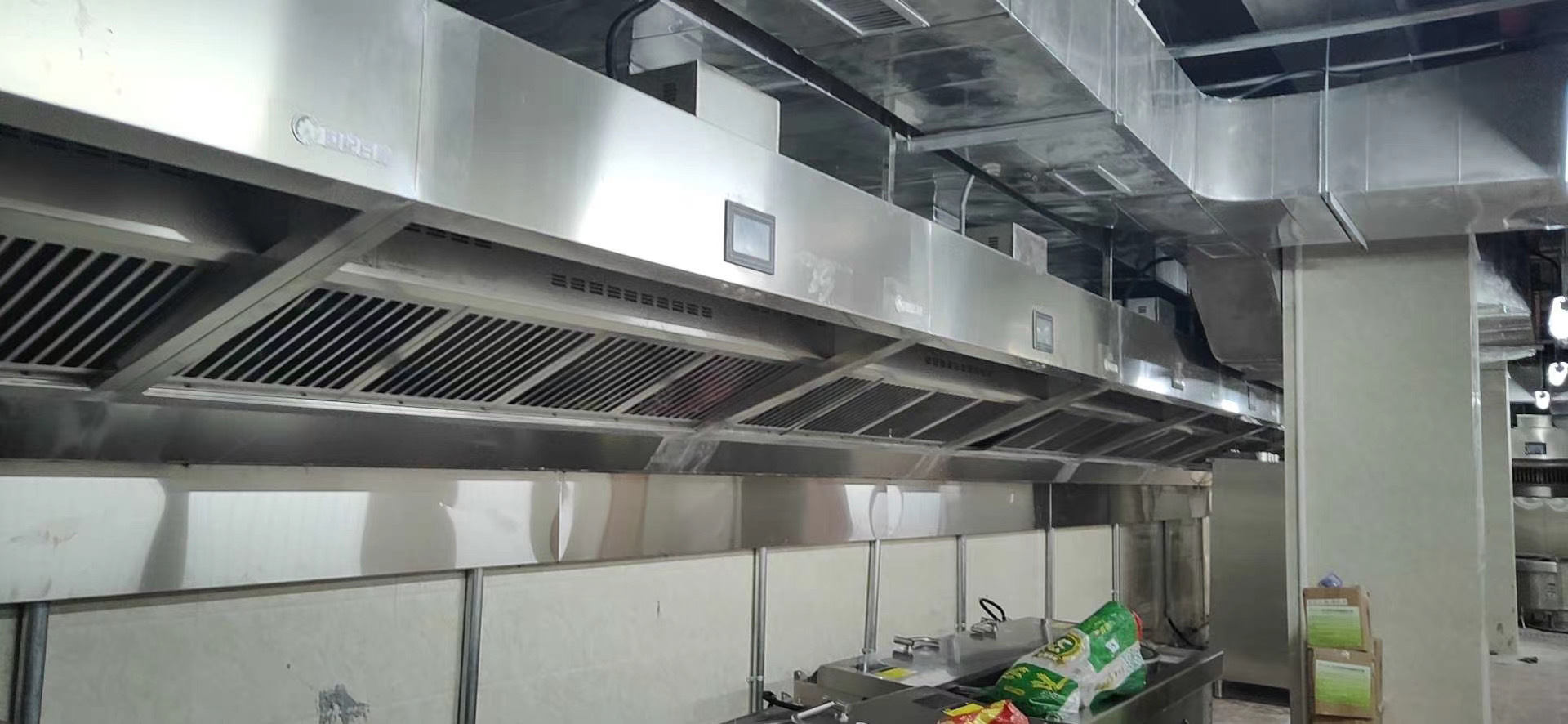
When considering the integration of an automatic cleaning purifier into an industrial facility, it's essential to evaluate the specific needs of the environment. Factors such as the size of the workspace, types of pollutants present, and airflow patterns should be analyzed to select the appropriate system. Additionally, regular maintenance and monitoring are crucial to ensure the long-term effectiveness of the purifier.
Incorporating automatic cleaning purifiers into industrial operations not only enhances air quality but also supports compliance with occupational health and safety regulations. As industries strive to meet stricter air quality standards, these systems can play a vital role in demonstrating a commitment to environmental responsibility and employee health.
In conclusion, the integration of automatic cleaning purifiers in industrial settings is more than just a trend; it's a strategic move towards ensuring a cleaner, safer, and more productive work environment. By prioritizing air quality with these advanced devices, industries can enhance operational efficiency while safeguarding their most valuable asset—human capital.
An automatic cleaning purifier employs advanced filtration technologies to remove harmful particles from the air. These devices are designed to operate continuously, ensuring that air quality remains high without the need for manual intervention. This automation not only saves time and labor costs but also guarantees consistency in air purification, making it a valuable investment for industries such as manufacturing, food processing, and automotive.
One of the primary benefits of using an automatic cleaning purifier is its ability to enhance workplace safety. Industrial settings often expose employees to airborne contaminants that can lead to respiratory issues and other health problems. By effectively filtering out these pollutants, businesses can create a safer environment that promotes employee well-being and boosts productivity.
Moreover, automatic cleaning purifiers are designed to be energy-efficient. Many modern units come equipped with smart sensors that adjust the purification process based on real-time air quality readings. This feature not only conserves energy but also ensures that the purifier operates at peak efficiency, providing optimal performance without unnecessary energy consumption.
When considering the integration of an automatic cleaning purifier into an industrial facility, it's essential to evaluate the specific needs of the environment. Factors such as the size of the workspace, types of pollutants present, and airflow patterns should be analyzed to select the appropriate system. Additionally, regular maintenance and monitoring are crucial to ensure the long-term effectiveness of the purifier.
Incorporating automatic cleaning purifiers into industrial operations not only enhances air quality but also supports compliance with occupational health and safety regulations. As industries strive to meet stricter air quality standards, these systems can play a vital role in demonstrating a commitment to environmental responsibility and employee health.
In conclusion, the integration of automatic cleaning purifiers in industrial settings is more than just a trend; it's a strategic move towards ensuring a cleaner, safer, and more productive work environment. By prioritizing air quality with these advanced devices, industries can enhance operational efficiency while safeguarding their most valuable asset—human capital.
More news


Hotline:+86 136 849 29821
Email:13684929821@139.com
Address:No. 6, Junzibubujun Industrial Road, Guanlan, Longhua New District, Shenzhen


