

-
AboutShenzhen Century Bailey Environmental Protection Technology Co., Ltd. (referred to as "Century Bailey") is located by the Guanlan Lake of the World Golf Village, adjacent to the Shanshui Tianyuan Tourism and Culture Park. It is a national high-tech enterprise and a specialized and new enterprise focusing on the research, development, production, and sales of catering industry oil fume purification products.

-
ProductShenzhen Century Bailey Environmental Protection Technology Co., Ltd. (referred to as "Century Bailey") is located by the Guanlan Lake of the World Golf Village, adjacent to the Shanshui Tianyuan Tourism and Culture Park. It is a national high-tech enterprise and a specialized and new enterprise focusing on the research, development, production, and sales of catering industry oil fume purification products.
-
Core AdvantagesShenzhen Century Bailey Environmental Protection Technology Co., Ltd. (referred to as "Century Bailey") is located by the Guanlan Lake of the World Golf Village, adjacent to the Shanshui Tianyuan Tourism and Culture Park. It is a national high-tech enterprise and a specialized and new enterprise focusing on the research, development, production, and sales of catering industry oil fume purification products.
-
CasesShenzhen Century Bailey Environmental Protection Technology Co., Ltd. (referred to as "Century Bailey") is located by the Guanlan Lake of the World Golf Village, adjacent to the Shanshui Tianyuan Tourism and Culture Park. It is a national high-tech enterprise and a specialized and new enterprise focusing on the research, development, production, and sales of catering industry oil fume purification products.
-
Customer serviceShenzhen Century Bailey Environmental Protection Technology Co., Ltd. (referred to as "Century Bailey") is located by the Guanlan Lake of the World Golf Village, adjacent to the Shanshui Tianyuan Tourism and Culture Park. It is a national high-tech enterprise and a specialized and new enterprise focusing on the research, development, production, and sales of catering industry oil fume purification products.
-
ContactShenzhen Century Bailey Environmental Protection Technology Co., Ltd. (referred to as "Century Bailey") is located by the Guanlan Lake of the World Golf Village, adjacent to the Shanshui Tianyuan Tourism and Culture Park. It is a national high-tech enterprise and a specialized and new enterprise focusing on the research, development, production, and sales of catering industry oil fume purification products.
Why Your Facility Needs a Combined Fume Purifier Now: Understanding the Essential Role of Advanced Air Filtration Systems
Release time:
2025-12-22
Why Your Facility Needs a Combined Fume Purifier Now The Importance of Air Quality in Industrial Settings In an age where health and environmental standards are continuously evolving, maintaining optimal air quality within industrial facilities has become paramount. Poor air quality can lead to numerous health issues for employees and significant operational setbacks for businesses. Understanding

Why Your Facility Needs a Combined Fume Purifier Now
The Importance of Air Quality in Industrial Settings
In an age where health and environmental standards are continuously evolving, maintaining optimal air quality within industrial facilities has become paramount. Poor air quality can lead to numerous health issues for employees and significant operational setbacks for businesses. Understanding the importance of air quality is the first step in recognizing the need for a combined fume purifier.
Health Impacts of Poor Air Quality
Exposure to harmful airborne pollutants can result in a wide range of health complications, including respiratory problems, allergies, and chronic diseases. Employees working in environments filled with fumes, vapors, or particulate matter are at a higher risk. Implementing a combined fume purifier can significantly mitigate these risks by filtering out harmful substances and ensuring a healthier work environment.
Regulatory Compliance and Industry Standards
Many industries are governed by strict regulations regarding air quality. Failing to comply can lead to hefty fines and operational shutdowns. Combined fume purifiers not only help you meet these regulations but also demonstrate your commitment to employee safety and environmental stewardship, enhancing your company's reputation.
What is a Combined Fume Purifier?
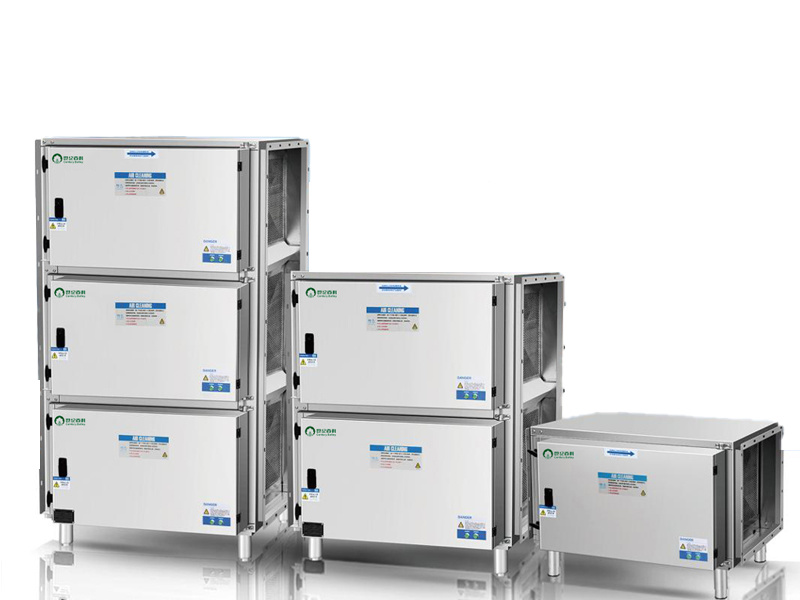
A combined fume purifier is an advanced air filtration system designed to capture and neutralize a wide variety of airborne contaminants, including gases, vapors, and particulate matter. These systems utilize multiple filtration technologies, often combining activated carbon filters, HEPA filters, and electrostatic precipitators, to maximize efficiency and effectiveness.
How Does a Combined Fume Purifier Work?
The operation of a combined fume purifier is straightforward yet sophisticated. Air is drawn into the unit, where it passes through various filtration stages:
1. **Pre-Filter Stage**: This initial stage captures larger particles and debris, prolonging the life of subsequent filters.
2. **Activated Carbon Filters**: These filters absorb volatile organic compounds (VOCs), odors, and chemical fumes, ensuring a comprehensive removal of harmful gases.
3. **HEPA Filters**: High-Efficiency Particulate Air (HEPA) filters trap particulates as small as 0.3 microns, providing a high level of air purification.
4. **Electrostatic Precipitators (optional)**: These devices use electrical charges to remove fine particles from the air, further enhancing air quality.
Benefits of Using a Combined Fume Purifier
Investing in a combined fume purifier brings numerous benefits to your facility:
1. **Enhanced Air Quality**: Improved air quality leads to better health and productivity among employees.
2. **Reduced Odors**: Effective elimination of unpleasant smells ensures a more pleasant working environment.
3. **Energy Efficiency**: Modern units are designed to operate efficiently, reducing overall energy consumption.
4. **Cost-Effective**: By preventing health issues and potential regulatory fines, combined fume purifiers represent a long-term cost-saving investment.
Key Features to Look for in a Combined Fume Purifier
When selecting a combined fume purifier for your facility, certain features are essential to consider:
Filtration Efficiency
Ensure that the purifier has high-efficiency filters that comply with industry standards for particulate and gas removal. Look for units that have been certified by reputable organizations.
Maintenance Requirements
Consider the maintenance needs of the unit. A good purifier should have easily replaceable filters and straightforward maintenance procedures to minimize downtime.
Noise Levels
Noise can be a significant factor in workplace productivity. Look for purifiers designed to operate quietly, ensuring they do not disrupt operations.
Size and Portability
The size of the unit should be suitable for your facility's layout. Portable models may offer additional flexibility for various workspaces.
Common Applications of Combined Fume Purifiers
Combined fume purifiers are versatile and can be deployed in various settings, including:
Manufacturing Facilities
From metal fabrication to chemical processing, manufacturing environments often produce various fumes. A combined fume purifier can help maintain compliance and safeguard worker health.
Laboratories
Laboratories dealing with volatile substances require stringent air quality measures. A fume purifier ensures a safe workspace for researchers and technicians.
Food Processing Plants
In food processing, maintaining clean air is critical to comply with health regulations. Combined fume purifiers eliminate odors and potential contaminants, ensuring product safety.
Automotive Shops
Automotive repair shops are typically filled with harmful emissions from vehicles. Implementing a combined fume purifier helps protect mechanics from exposure to toxic fumes.
Implementing a Combined Fume Purifier in Your Facility
To successfully integrate a combined fume purifier into your facility, consider the following steps:
Assessment of Air Quality Needs
Before purchasing a purifier, assess the specific air quality needs of your facility. Identify the types of pollutants present and select a unit that addresses those issues effectively.
Choosing the Right Model
Research various models and their features. Consult with manufacturers or industry experts to find the best solution tailored to your operational requirements.
Installation and Training
Proper installation is crucial for optimal performance. Ensure that the unit is installed by qualified personnel. Additionally, provide training for your team on how to operate and maintain the purifier effectively.
Regular Monitoring and Maintenance
After installation, consistently monitor air quality to ensure the purifier operates effectively. Schedule regular maintenance checks to replace filters and address any issues promptly.
Cost of a Combined Fume Purifier: Is it Worth the Investment?
The cost of combined fume purifiers can vary significantly based on factors such as size, features, and filtration capabilities. However, the investment is often justified when considering the potential savings from improved employee health, regulatory compliance, and operational efficiency.
Long-term Savings
While the initial outlay might be substantial, the long-term savings from reduced health-related costs and compliance fines can far outweigh the purchase price. Additionally, better air quality can enhance productivity, leading to increased profitability.
Financing Options
Many manufacturers offer financing options or leasing arrangements to make purchasing a combined fume purifier more accessible. Explore these options to find a solution that fits your budget.
Frequently Asked Questions (FAQs)
1. What types of pollutants can a combined fume purifier remove?
Combined fume purifiers can effectively remove volatile organic compounds (VOCs), particulate matter, odors, and various harmful gases.
2. How often do filters need to be replaced in a combined fume purifier?
Filter replacement frequency depends on usage and the level of pollutants. Regular monitoring is essential for optimal performance, with most filters requiring replacement every few months.
3. Can a combined fume purifier operate continuously?
Yes, most modern combined fume purifiers are designed for continuous operation, ensuring consistent air quality.
4. Are combined fume purifiers energy-efficient?
Many contemporary models are energy-efficient, designed to minimize electricity usage while maximizing air quality control.
5. What is the ideal size of a combined fume purifier for my facility?
The ideal size depends on the volume of air that needs to be purified and the specific pollutants present. Consulting with an expert can help identify the best size for your needs.
Conclusion
In conclusion, investing in a **combined fume purifier** is not merely a choice; it is a strategic necessity for any facility concerned about employee health, regulatory compliance, and operational efficiency. By improving air quality and fostering a safer work environment, businesses can enhance productivity and uphold their commitment to employee welfare. As industries continue to evolve, ensuring that air quality is prioritized will be crucial for sustainable success. Embrace the future of air purification today by integrating a combined fume purifier into your facility, and witness the transformative benefits it brings.
More news


Hotline:+86 136 849 29821
Email:13684929821@139.com
Address:No. 6, Junzibubujun Industrial Road, Guanlan, Longhua New District, Shenzhen


