

-
AboutShenzhen Century Bailey Environmental Protection Technology Co., Ltd. (referred to as "Century Bailey") is located by the Guanlan Lake of the World Golf Village, adjacent to the Shanshui Tianyuan Tourism and Culture Park. It is a national high-tech enterprise and a specialized and new enterprise focusing on the research, development, production, and sales of catering industry oil fume purification products.

-
ProductShenzhen Century Bailey Environmental Protection Technology Co., Ltd. (referred to as "Century Bailey") is located by the Guanlan Lake of the World Golf Village, adjacent to the Shanshui Tianyuan Tourism and Culture Park. It is a national high-tech enterprise and a specialized and new enterprise focusing on the research, development, production, and sales of catering industry oil fume purification products.
-
Core AdvantagesShenzhen Century Bailey Environmental Protection Technology Co., Ltd. (referred to as "Century Bailey") is located by the Guanlan Lake of the World Golf Village, adjacent to the Shanshui Tianyuan Tourism and Culture Park. It is a national high-tech enterprise and a specialized and new enterprise focusing on the research, development, production, and sales of catering industry oil fume purification products.
-
CasesShenzhen Century Bailey Environmental Protection Technology Co., Ltd. (referred to as "Century Bailey") is located by the Guanlan Lake of the World Golf Village, adjacent to the Shanshui Tianyuan Tourism and Culture Park. It is a national high-tech enterprise and a specialized and new enterprise focusing on the research, development, production, and sales of catering industry oil fume purification products.
-
Customer serviceShenzhen Century Bailey Environmental Protection Technology Co., Ltd. (referred to as "Century Bailey") is located by the Guanlan Lake of the World Golf Village, adjacent to the Shanshui Tianyuan Tourism and Culture Park. It is a national high-tech enterprise and a specialized and new enterprise focusing on the research, development, production, and sales of catering industry oil fume purification products.
-
ContactShenzhen Century Bailey Environmental Protection Technology Co., Ltd. (referred to as "Century Bailey") is located by the Guanlan Lake of the World Golf Village, adjacent to the Shanshui Tianyuan Tourism and Culture Park. It is a national high-tech enterprise and a specialized and new enterprise focusing on the research, development, production, and sales of catering industry oil fume purification products.

Understanding High-Volume Oil Fume Purifiers: Essential Tools for Industrial Air Quality Management
Release time:
2025-12-19
In industrial environments, particularly those involving cooking or machining processes, the presence of oil fumes can pose serious health risks to workers and create challenging atmospheric conditions. High-volume oil fume purifiers emerge as essential solutions to mitigate these risks. These devices are designed to capture and neutralize harmful pollutants, ensuring cleaner air and improved safe

In industrial environments, particularly those involving cooking or machining processes, the presence of oil fumes can pose serious health risks to workers and create challenging atmospheric conditions. High-volume oil fume purifiers emerge as essential solutions to mitigate these risks. These devices are designed to capture and neutralize harmful pollutants, ensuring cleaner air and improved safety standards.
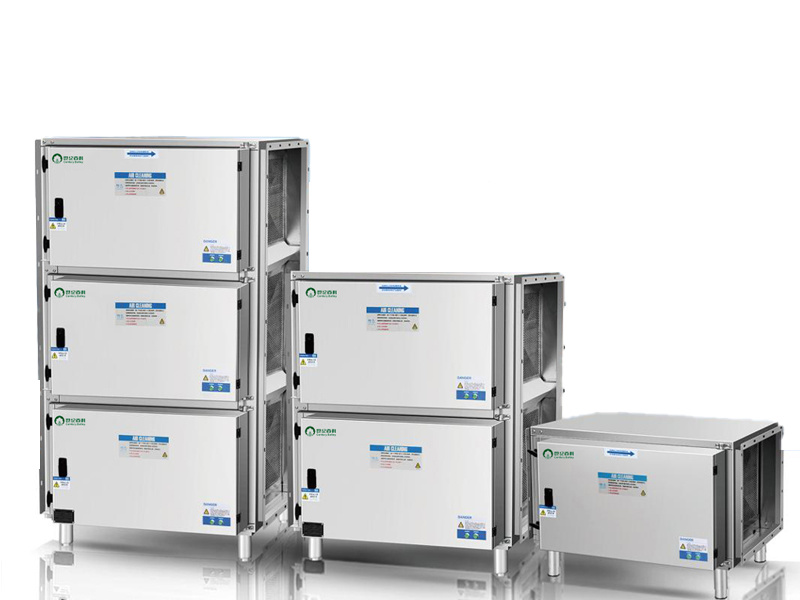
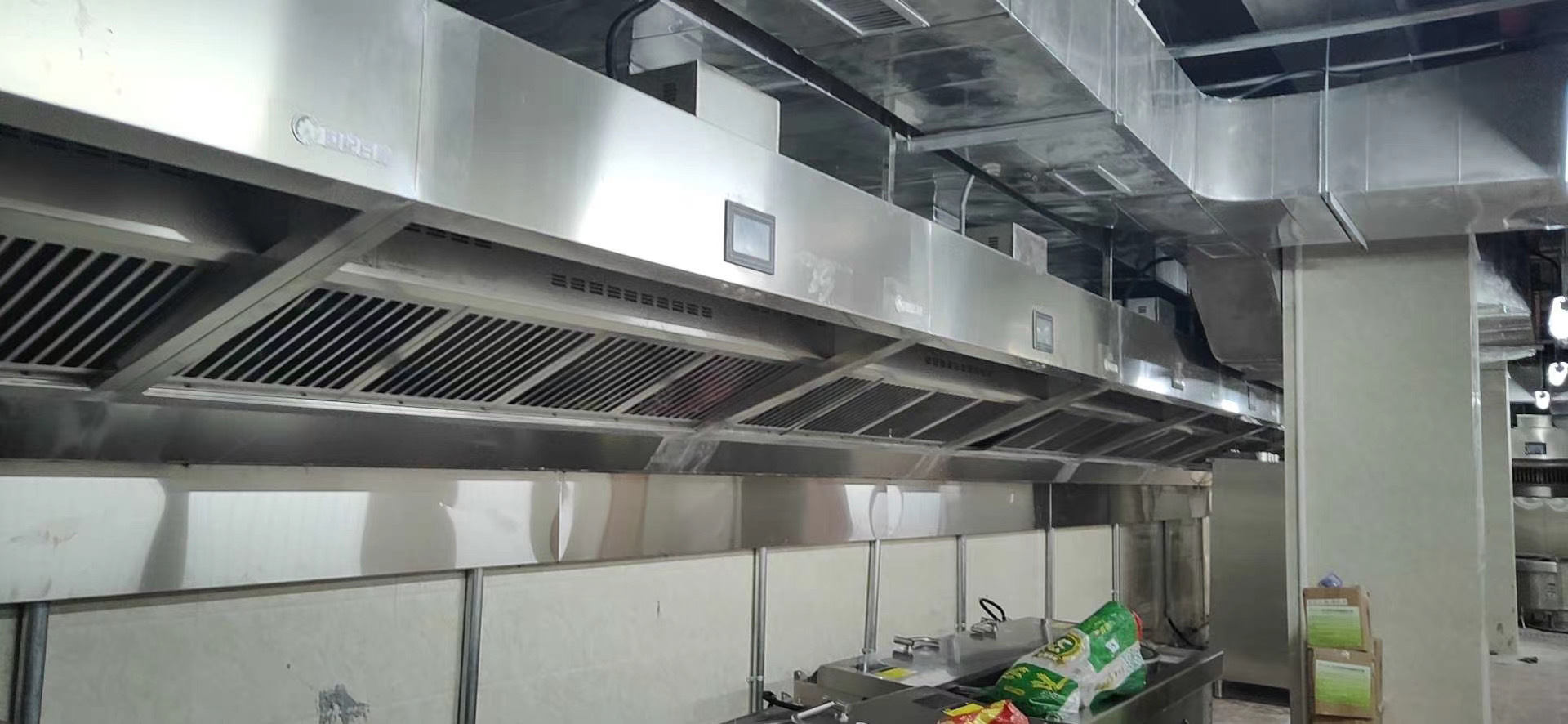
High-volume oil fume purifiers operate through a combination of filtration and electrostatic precipitation techniques. The initial stage involves capturing larger airborne particles using pre-filters, which helps to extend the lifespan of subsequent filtration systems. Following this, the device employs electrostatic precipitators to effectively attract and trap smaller oil particles. This dual-action approach enables these purifiers to handle high volumes of contaminated air efficiently, making them ideal for environments with heavy oil mist emissions.
The benefits of investing in high-volume oil fume purifiers extend beyond regulatory compliance. By improving air quality, these systems can enhance employee health, reduce absenteeism, and contribute to overall productivity. Employees exposed to cleaner air are less likely to experience respiratory issues or other health complications associated with oil fume exposure. Moreover, maintaining a clean air environment can positively impact equipment longevity, leading to lower operational costs and increased efficiency.
Selecting the right high-volume oil fume purifier requires careful consideration of several factors. It's crucial to assess the specific needs of your facility, such as the volume of air to be processed, the concentration of oil fumes, and the type of processes generating these emissions. Additionally, regular maintenance and filter replacement are vital to ensuring the consistent performance of the purification system.
Implementing high-volume oil fume purifiers also aligns with sustainability goals. By reducing airborne pollutants, these devices contribute to a healthier ecosystem while promoting corporate social responsibility. Industries that prioritize environmental stewardship often find that such investments enhance their reputation, attracting both customers and talent who value sustainable practices.
In conclusion, high-volume oil fume purifiers play a critical role in maintaining air quality in industrial settings. By capturing and neutralizing harmful oil fumes, these devices protect employee health and enhance operational efficiency. As businesses continue to prioritize workplace safety and environmental responsibility, the adoption of advanced air purification technologies will become increasingly essential. Investing in high-volume oil fume purifiers is not only a step towards compliance but also a commitment to fostering a healthier, more productive work environment.
High-volume oil fume purifiers operate through a combination of filtration and electrostatic precipitation techniques. The initial stage involves capturing larger airborne particles using pre-filters, which helps to extend the lifespan of subsequent filtration systems. Following this, the device employs electrostatic precipitators to effectively attract and trap smaller oil particles. This dual-action approach enables these purifiers to handle high volumes of contaminated air efficiently, making them ideal for environments with heavy oil mist emissions.
The benefits of investing in high-volume oil fume purifiers extend beyond regulatory compliance. By improving air quality, these systems can enhance employee health, reduce absenteeism, and contribute to overall productivity. Employees exposed to cleaner air are less likely to experience respiratory issues or other health complications associated with oil fume exposure. Moreover, maintaining a clean air environment can positively impact equipment longevity, leading to lower operational costs and increased efficiency.
Selecting the right high-volume oil fume purifier requires careful consideration of several factors. It's crucial to assess the specific needs of your facility, such as the volume of air to be processed, the concentration of oil fumes, and the type of processes generating these emissions. Additionally, regular maintenance and filter replacement are vital to ensuring the consistent performance of the purification system.
Implementing high-volume oil fume purifiers also aligns with sustainability goals. By reducing airborne pollutants, these devices contribute to a healthier ecosystem while promoting corporate social responsibility. Industries that prioritize environmental stewardship often find that such investments enhance their reputation, attracting both customers and talent who value sustainable practices.
In conclusion, high-volume oil fume purifiers play a critical role in maintaining air quality in industrial settings. By capturing and neutralizing harmful oil fumes, these devices protect employee health and enhance operational efficiency. As businesses continue to prioritize workplace safety and environmental responsibility, the adoption of advanced air purification technologies will become increasingly essential. Investing in high-volume oil fume purifiers is not only a step towards compliance but also a commitment to fostering a healthier, more productive work environment.
More news


Hotline:+86 136 849 29821
Email:13684929821@139.com
Address:No. 6, Junzibubujun Industrial Road, Guanlan, Longhua New District, Shenzhen


