

-
AboutShenzhen Century Bailey Environmental Protection Technology Co., Ltd. (referred to as "Century Bailey") is located by the Guanlan Lake of the World Golf Village, adjacent to the Shanshui Tianyuan Tourism and Culture Park. It is a national high-tech enterprise and a specialized and new enterprise focusing on the research, development, production, and sales of catering industry oil fume purification products.
-
ProductShenzhen Century Bailey Environmental Protection Technology Co., Ltd. (referred to as "Century Bailey") is located by the Guanlan Lake of the World Golf Village, adjacent to the Shanshui Tianyuan Tourism and Culture Park. It is a national high-tech enterprise and a specialized and new enterprise focusing on the research, development, production, and sales of catering industry oil fume purification products.
-
Core AdvantagesShenzhen Century Bailey Environmental Protection Technology Co., Ltd. (referred to as "Century Bailey") is located by the Guanlan Lake of the World Golf Village, adjacent to the Shanshui Tianyuan Tourism and Culture Park. It is a national high-tech enterprise and a specialized and new enterprise focusing on the research, development, production, and sales of catering industry oil fume purification products.
-
CasesShenzhen Century Bailey Environmental Protection Technology Co., Ltd. (referred to as "Century Bailey") is located by the Guanlan Lake of the World Golf Village, adjacent to the Shanshui Tianyuan Tourism and Culture Park. It is a national high-tech enterprise and a specialized and new enterprise focusing on the research, development, production, and sales of catering industry oil fume purification products.
-
Customer serviceShenzhen Century Bailey Environmental Protection Technology Co., Ltd. (referred to as "Century Bailey") is located by the Guanlan Lake of the World Golf Village, adjacent to the Shanshui Tianyuan Tourism and Culture Park. It is a national high-tech enterprise and a specialized and new enterprise focusing on the research, development, production, and sales of catering industry oil fume purification products.
-
ContactShenzhen Century Bailey Environmental Protection Technology Co., Ltd. (referred to as "Century Bailey") is located by the Guanlan Lake of the World Golf Village, adjacent to the Shanshui Tianyuan Tourism and Culture Park. It is a national high-tech enterprise and a specialized and new enterprise focusing on the research, development, production, and sales of catering industry oil fume purification products.
Why Your Industrial Space Needs an Automatic Cleaning Purifier for Enhanced Air Quality
Release time:
2025-12-16
Why Your Industrial Space Needs an Automatic Cleaning Purifier Understanding the Importance of Air Quality in Industrial Environments Maintaining optimal air quality in industrial spaces is not just a regulatory compliance issue; it’s crucial for the health and productivity of your workforce. Poor air quality can lead to serious health issues, decreased productivity, and ultimately, financial loss

Why Your Industrial Space Needs an Automatic Cleaning Purifier
Understanding the Importance of Air Quality in Industrial Environments
Maintaining optimal air quality in industrial spaces is not just a regulatory compliance issue; it’s crucial for the health and productivity of your workforce. Poor air quality can lead to serious health issues, decreased productivity, and ultimately, financial losses for your business. An **automatic cleaning purifier** plays a vital role in mitigating these risks by continuously filtering and cleaning the air.
The Dangers of Poor Air Quality in the Workplace
Poor air quality can introduce a number of hazards in industrial environments, including:
- **Respiratory Issues**: Prolonged exposure to dust, fumes, and other pollutants can lead to chronic respiratory diseases among workers.
- **Reduced Productivity**: A contaminated work environment can affect concentration levels and overall efficiency.
- **Increased Absenteeism**: Illnesses stemming from poor air quality can lead to higher rates of absenteeism, further disrupting workflow.
Key Factors Affecting Air Quality in Industrial Spaces
Several factors contribute to poor air quality in industrial settings:
- **Chemical Emissions**: Industrial processes often release volatile organic compounds (VOCs) and other harmful pollutants.
- **Particulate Matter**: Dust and particulate matter can accumulate in the air, particularly during manufacturing processes.
- **Inadequate Ventilation**: Many industrial facilities lack proper ventilation systems, allowing pollutants to build up.
What is an Automatic Cleaning Purifier?
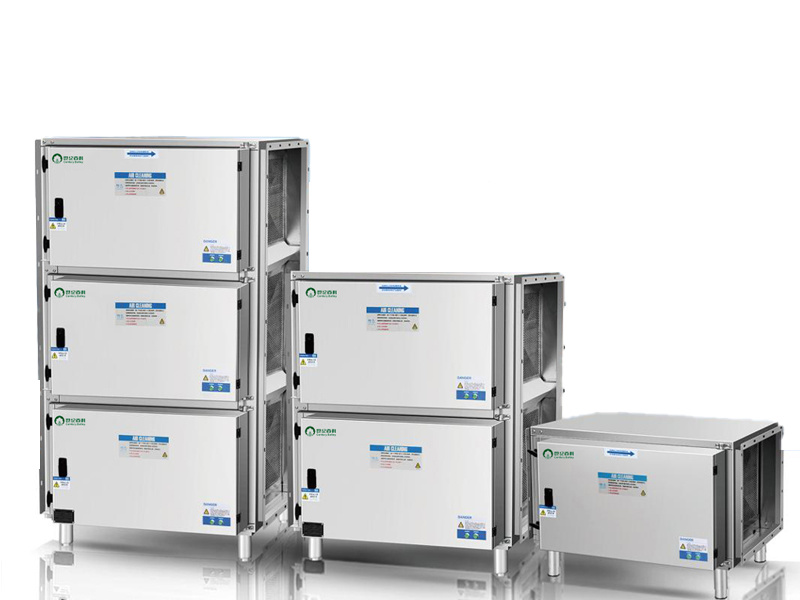
An **automatic cleaning purifier** is a sophisticated air filtration system designed to remove contaminants from the air without requiring constant manual intervention. These systems utilize advanced filtration technologies that operate continuously to ensure a clean and safe working environment.
How Automatic Cleaning Purifiers Work
Automatic cleaning purifiers operate through several stages of filtration:
1. **Pre-Filtration**: Initial filters capture larger particles such as dust and debris.
2. **HEPA Filtration**: High-Efficiency Particulate Air (HEPA) filters trap up to 99.97% of particles as small as 0.3 microns, including pollen, mold spores, and pet dander.
3. **Activated Carbon Filters**: These filters absorb odors and harmful gases, including VOCs and smoke.
4. **Ionization**: Some systems incorporate ionization technology, which charges particles in the air, causing them to clump together and become easier to filter out.
Benefits of Using Automatic Cleaning Purifiers
Incorporating automatic cleaning purifiers into your industrial space offers numerous benefits:
- **Continuous Air Quality Improvement**: With automatic operation, these purifiers ensure that air quality remains consistently high, even in environments with fluctuating pollutant levels.
- **Employee Health and Well-Being**: Improved air quality contributes to better respiratory health and overall well-being, reducing the likelihood of health-related absences.
- **Enhanced Productivity**: A clean air environment fosters increased focus and efficiency among workers, leading to higher productivity levels.
- **Regulatory Compliance**: Utilizing an automatic cleaning purifier can help you meet local and international air quality regulations, avoiding potential fines and penalties.
Choosing the Right Automatic Cleaning Purifier for Your Industrial Space
Selecting the appropriate purifier is essential for maximizing its benefits. Here are some factors to consider:
Size and Capacity
Choose a purifier that is adequately sized for your industrial space. A unit that is too small will not effectively clean the air, while an oversized unit may waste energy.
Type of Filtration
Evaluate the types of filters used in the purifier. Look for models with HEPA and activated carbon filters for comprehensive pollutant removal.
Noise Levels
Consider the noise produced by the purifier. In a busy industrial environment, a noisy purifier can disrupt operations. Opt for models designed for quiet operation.
Maintenance Requirements
Review the maintenance needs of the purifier. Automatic cleaning purifiers should require minimal manual intervention, but regular checks and filter replacements are still necessary.
Implementation Strategies for Automatic Cleaning Purifiers
Successfully integrating automatic cleaning purifiers into your industrial space involves careful planning and execution.
Conducting an Air Quality Assessment
Before implementing purifiers, conduct a thorough air quality assessment. Identify pollution sources and areas with poor ventilation to determine where purifiers will be most effective.
Creating a Maintenance Schedule
To ensure optimal performance, establish a routine maintenance schedule for the purifiers. Regularly check filters and functionality to keep systems running efficiently.
Training Employees on Proper Use
Train employees on the importance of air quality and how the purifiers work. Encourage them to report any issues or concerns regarding air quality to maintain a proactive approach.
Case Studies: Successful Implementation of Automatic Cleaning Purifiers
Examining real-world examples can provide insight into the effectiveness of automatic cleaning purifiers in industrial settings.
Manufacturing Facility Success Story
A manufacturing facility implemented automatic cleaning purifiers and reported a significant decrease in respiratory complaints among employees. The air quality improvement led to a 15% increase in overall productivity within six months.
Food Processing Plant Transformation
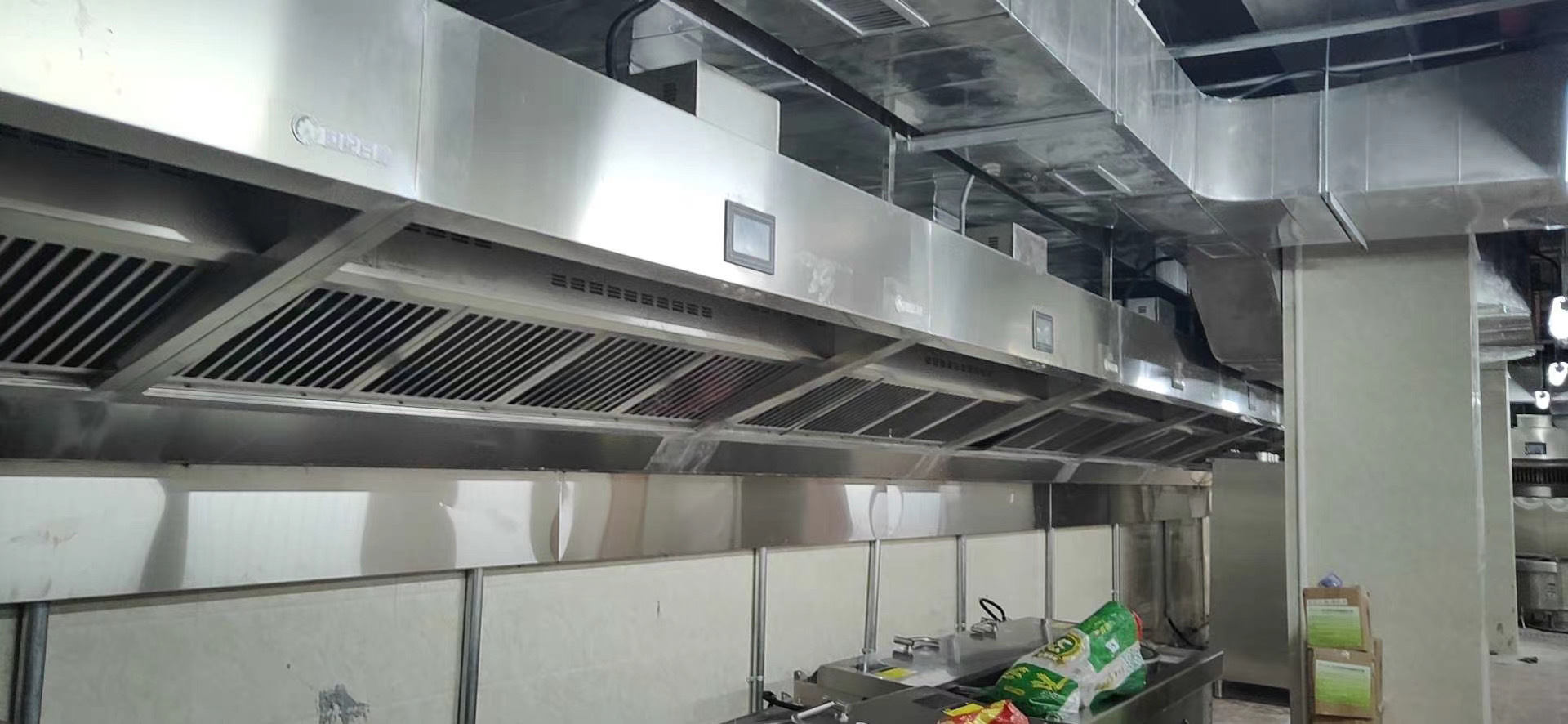
In a food processing plant, the introduction of automatic cleaning purifiers helped eliminate odors and improve air quality, leading to better product quality and compliance with health regulations.
Cost Analysis: Are Automatic Cleaning Purifiers Worth the Investment?
While the upfront cost of automatic cleaning purifiers may seem substantial, considering the long-term savings can provide a clearer picture.
Calculating Potential Savings
- **Reduced Healthcare Costs**: Improved air quality leads to fewer health issues, resulting in lower healthcare expenses for employers.
- **Increased Productivity**: Healthier employees are more productive, contributing to greater output and revenue.
Return on Investment (ROI)
Evaluate the ROI by comparing the costs associated with purchasing and maintaining purifiers against the potential savings from healthcare and productivity improvements. Most businesses see a positive ROI within a few years.
FAQs About Automatic Cleaning Purifiers
1. How often should I replace the filters in an automatic cleaning purifier?
Filter replacement frequency can vary based on usage and air quality. Generally, HEPA filters should be replaced every 6 to 12 months, while activated carbon filters may need to be replaced every 3 to 6 months.
2. Can automatic cleaning purifiers eliminate all air pollutants?
While automatic cleaning purifiers can significantly reduce many pollutants, they may not eliminate all contaminants. Combining them with other air quality measures can enhance results.
3. How do I know if an automatic cleaning purifier is effective?
Look for purifiers with CADR (Clean Air Delivery Rate) ratings, which measure the purifier's ability to remove specific pollutants. Customer reviews and independent testing can also provide insights into effectiveness.
4. Are automatic cleaning purifiers energy-efficient?
Many modern automatic cleaning purifiers are designed with energy efficiency in mind, utilizing less energy while providing effective air cleaning. Check for ENERGY STAR ratings or similar certifications.
5. Can I use automatic cleaning purifiers in smaller spaces?
Yes, automatic cleaning purifiers can be used in smaller spaces. However, ensure you select a model that is appropriately sized for the area to maximize its effectiveness.
Conclusion
Investing in an automatic cleaning purifier is not just a step towards better air quality; it is a commitment to the health and productivity of your workforce. By understanding the benefits, implementation strategies, and potential cost savings, businesses can create a safer and more efficient working environment. As air quality regulations become increasingly stringent, integrating automatic cleaning purifiers will become essential for industrial facilities seeking to thrive in a competitive market. Make the smart choice today and elevate the standards of your workplace with advanced air purification solutions.
More news


Hotline:+86 136 849 29821
Email:13684929821@139.com
Address:No. 6, Junzibubujun Industrial Road, Guanlan, Longhua New District, Shenzhen


