

-
AboutShenzhen Century Bailey Environmental Protection Technology Co., Ltd. (referred to as "Century Bailey") is located by the Guanlan Lake of the World Golf Village, adjacent to the Shanshui Tianyuan Tourism and Culture Park. It is a national high-tech enterprise and a specialized and new enterprise focusing on the research, development, production, and sales of catering industry oil fume purification products.
-
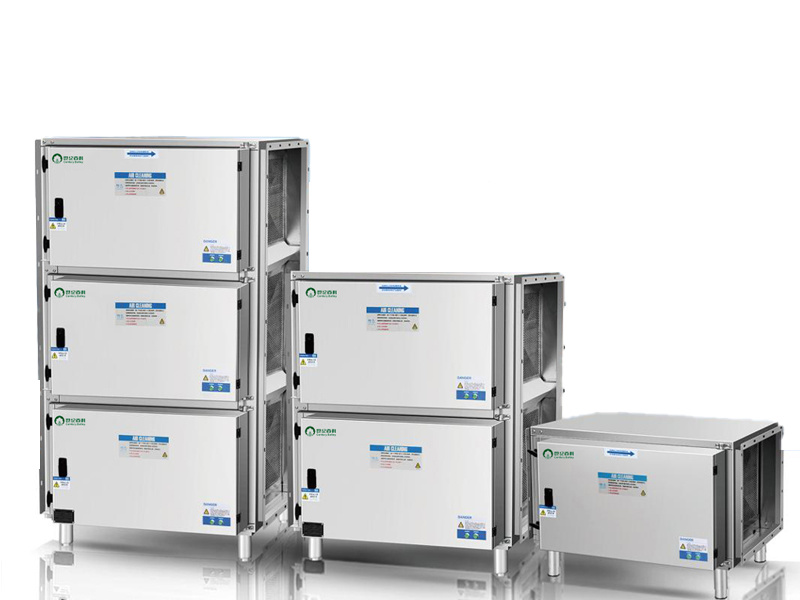
ProductShenzhen Century Bailey Environmental Protection Technology Co., Ltd. (referred to as "Century Bailey") is located by the Guanlan Lake of the World Golf Village, adjacent to the Shanshui Tianyuan Tourism and Culture Park. It is a national high-tech enterprise and a specialized and new enterprise focusing on the research, development, production, and sales of catering industry oil fume purification products.
-
Core AdvantagesShenzhen Century Bailey Environmental Protection Technology Co., Ltd. (referred to as "Century Bailey") is located by the Guanlan Lake of the World Golf Village, adjacent to the Shanshui Tianyuan Tourism and Culture Park. It is a national high-tech enterprise and a specialized and new enterprise focusing on the research, development, production, and sales of catering industry oil fume purification products.
-
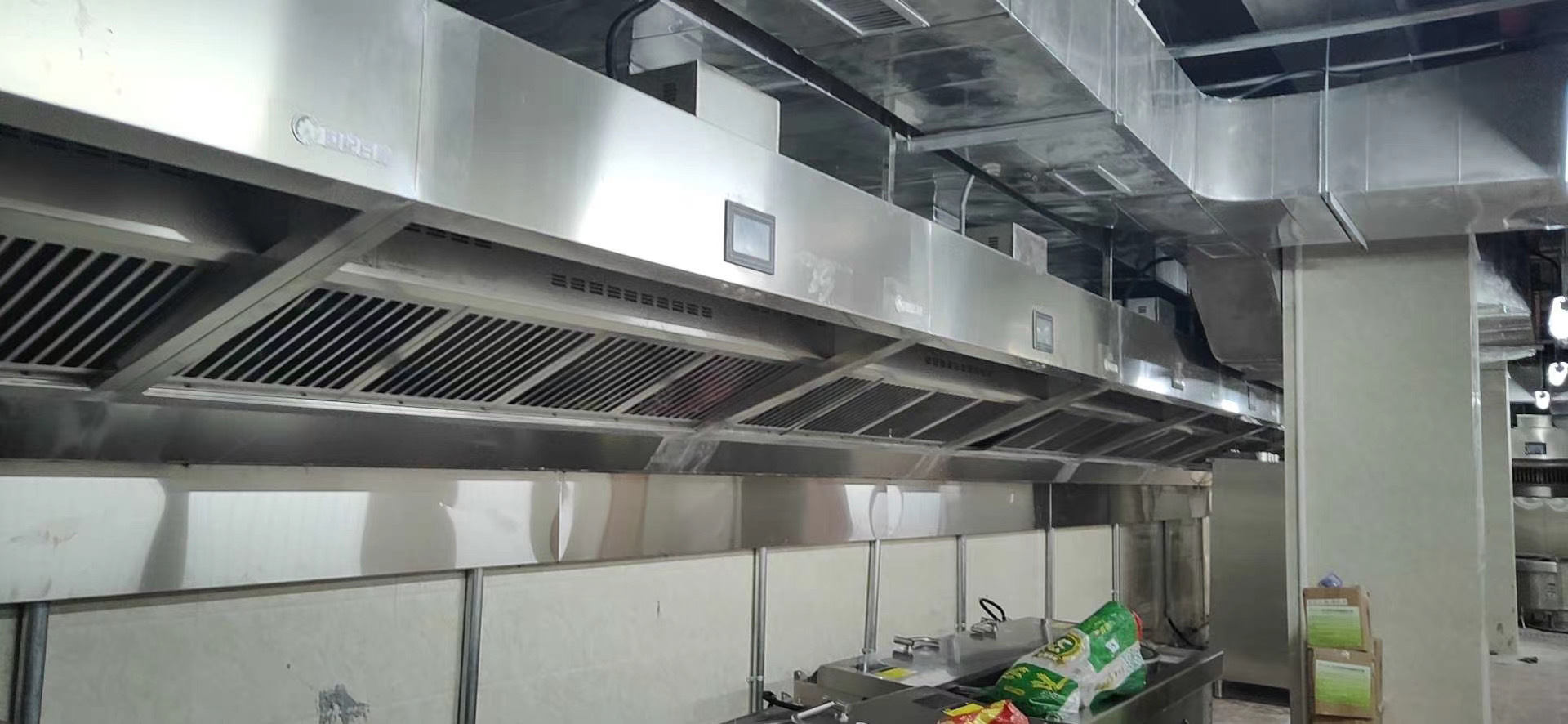
CasesShenzhen Century Bailey Environmental Protection Technology Co., Ltd. (referred to as "Century Bailey") is located by the Guanlan Lake of the World Golf Village, adjacent to the Shanshui Tianyuan Tourism and Culture Park. It is a national high-tech enterprise and a specialized and new enterprise focusing on the research, development, production, and sales of catering industry oil fume purification products.
-
Customer serviceShenzhen Century Bailey Environmental Protection Technology Co., Ltd. (referred to as "Century Bailey") is located by the Guanlan Lake of the World Golf Village, adjacent to the Shanshui Tianyuan Tourism and Culture Park. It is a national high-tech enterprise and a specialized and new enterprise focusing on the research, development, production, and sales of catering industry oil fume purification products.
-
ContactShenzhen Century Bailey Environmental Protection Technology Co., Ltd. (referred to as "Century Bailey") is located by the Guanlan Lake of the World Golf Village, adjacent to the Shanshui Tianyuan Tourism and Culture Park. It is a national high-tech enterprise and a specialized and new enterprise focusing on the research, development, production, and sales of catering industry oil fume purification products.
Achieving Pristine Air: The Role of Automatic Cleaning Purifiers
Release time:
2025-11-22
Achieving Pristine Air: The Role of Automatic Cleaning Purifiers Table of Contents 1. Introduction to Air Purification Technology 2. Importance of Air Quality in Indoor Environments 3. What Are Automatic Cleaning Purifiers? 4. How Automatic Cleaning Purifiers Work 5. Benefits of Using Automatic Cleaning Purifiers 6. Key Considerations When Choosing a Purifier 7. Mainte

Achieving Pristine Air: The Role of Automatic Cleaning Purifiers
Table of Contents
- 1. Introduction to Air Purification Technology
- 2. Importance of Air Quality in Indoor Environments
- 3. What Are Automatic Cleaning Purifiers?
- 4. How Automatic Cleaning Purifiers Work
- 5. Benefits of Using Automatic Cleaning Purifiers
- 6. Key Considerations When Choosing a Purifier
- 7. Maintenance and Care of Automatic Cleaning Purifiers
- 8. Future Trends in Air Purification Technology
- 9. Conclusion
- 10. Frequently Asked Questions
1. Introduction to Air Purification Technology
In an age where indoor air pollution is on the rise, **automatic cleaning purifiers** have emerged as essential appliances for maintaining healthy living environments. With increasing awareness of the impact of air quality on health, these devices have gained popularity in homes and workplaces alike. This article delves into the significance of air purification, the functionality of automatic cleaning purifiers, and their transformative effects on indoor air quality.
2. Importance of Air Quality in Indoor Environments
The air we breathe indoors can often be more polluted than outdoor air. Common indoor pollutants include dust mites, pet dander, mold spores, and volatile organic compounds (VOCs) from paints and cleaning products. Poor air quality can lead to a variety of health issues, such as:
- **Allergies**: Indoor allergens can trigger asthma and allergic reactions.
- **Respiratory Problems**: Long-term exposure to pollutants can cause or aggravate respiratory diseases.
- **Mental Health**: Studies indicate a link between air quality and cognitive function, influencing mood and productivity.
Given these concerns, investing in an effective air purification system is essential for safeguarding health and enhancing overall quality of life.
3. What Are Automatic Cleaning Purifiers?
Automatic cleaning purifiers are advanced devices designed to continuously filter and purify indoor air. Unlike traditional air purifiers that require manual cleaning and filter replacement, automatic models come equipped with intelligent sensors and self-cleaning features, ensuring optimal performance with minimal user intervention. These devices can:
- Detect levels of indoor pollutants.
- Adjust purification settings based on air quality.
- Automatically clean filters and components, enhancing longevity and efficiency.
4. How Automatic Cleaning Purifiers Work
Automatic cleaning purifiers utilize several technologies to effectively remove contaminants from the air. Key components include:
4.1 Filtration Systems
Most automatic purifiers incorporate multi-stage filtration systems, including pre-filters, HEPA filters, and activated carbon filters.
- **Pre-filters** capture larger particles like dust and hair.
- **HEPA filters** trap smaller particles, including allergens and bacteria.
- **Activated carbon filters** absorb odors and volatile organic compounds.
4.2 Sensors and Smart Technology
Modern automatic purifiers are equipped with sensors that monitor air quality in real time. When the sensors detect a rise in pollutant levels, the purifier automatically increases its filtration speed, optimizing performance without any manual adjustments.
4.3 Self-Cleaning Mechanism
One of the standout features of automatic cleaning purifiers is their self-cleaning capability. This reduces the need for regular maintenance while ensuring that the filters and internal components remain clean and effective.
5. Benefits of Using Automatic Cleaning Purifiers
The benefits of automatic cleaning purifiers extend beyond mere convenience. Here are several compelling reasons to consider these devices:
5.1 Enhanced Air Quality
With their efficient filtering systems, automatic cleaning purifiers significantly improve indoor air quality by reducing pollutants, allergens, and odors.
5.2 Energy Efficiency
Automatic purifiers are designed to operate efficiently, using sensors to adjust energy consumption based on air quality needs. This translates to lower electricity costs without compromising effectiveness.
5.3 Convenience and Ease of Use
The self-cleaning feature minimizes user intervention, making these devices particularly appealing for busy households or workplaces. Users can enjoy cleaner air without the hassle of regular maintenance.
5.4 Improved Health and Well-Being
By removing harmful pollutants and allergens, automatic purifiers can lead to better respiratory health, reduced allergy symptoms, and improved overall well-being.
6. Key Considerations When Choosing a Purifier
Selecting the right automatic cleaning purifier requires careful consideration of several factors:
6.1 Room Size
Evaluate the area where the purifier will be used. Ensure that the device is rated for the room size to maximize effectiveness.
6.2 Filtration System
Look for purifiers with HEPA filters and additional stages for comprehensive air cleaning. The quality of the filtration system directly impacts the purifier's performance.
6.3 Noise Levels
Consider noise levels, especially if the device will be used in bedrooms or quiet spaces. Many modern purifiers operate quietly, allowing for uninterrupted use.
6.4 Maintenance Needs
While automatic cleaning purifiers reduce maintenance, it is essential to understand the frequency and process for replacing filters or components.
7. Maintenance and Care of Automatic Cleaning Purifiers
Although automatic cleaning purifiers require less maintenance than traditional models, users must still adhere to best practices for optimal performance:
7.1 Regular Monitoring
Periodically check air quality indicators on the device. This will provide insights into when it may be necessary to perform more in-depth cleaning or replace filters.
7.2 Filter Replacement
Even with self-cleaning features, filters will need replacement after a specific period. Follow the manufacturer’s guidelines for frequency and type of filters to ensure continued efficacy.
7.3 Cleaning the Exterior
Maintain the exterior of the purifier by dusting or wiping it down. This practice can help ensure that the device operates in a clean environment, further improving air quality.
8. Future Trends in Air Purification Technology
As technology continues to evolve, several trends are emerging in the field of air purification:
8.1 Smart Connectivity
The integration of smart technology will lead to more interconnected devices, allowing users to monitor air quality via smartphone apps and receive real-time updates.
8.2 Advanced Filtration Materials
Research is ongoing into new filtration materials that could enhance the effectiveness of air purifiers, targeting even smaller pollutants and allergens.
8.3 Eco-Friendly Designs
Future purifiers are likely to emphasize sustainability, with more energy-efficient models and filters made from recyclable materials, appealing to environmentally conscious consumers.
9. Conclusion
Automatic cleaning purifiers play a crucial role in achieving pristine air quality in our homes and workplaces. Their advanced technology, ease of use, and health benefits make them a vital investment for anyone concerned about indoor air pollution. As we navigate an increasingly polluted world, these devices stand out as essential tools for promoting better health and well-being. By understanding their functionality, benefits, and maintenance requirements, users can effectively enhance their indoor air quality and overall quality of life.
10. Frequently Asked Questions
10.1 What is the difference between a traditional air purifier and an automatic cleaning purifier?
Automatic cleaning purifiers have self-cleaning features and smart sensors that adjust their operations based on air quality, while traditional purifiers require manual cleaning and adjustments.
10.2 How often do I need to replace the filters in my automatic cleaning purifier?
Filter replacement frequency varies by model, but generally, filters should be changed every 6 to 12 months, depending on usage and air quality.
10.3 Can automatic cleaning purifiers remove odors?
Yes, many automatic cleaning purifiers include activated carbon filters that can effectively absorb and neutralize odors from cooking, pets, and smoke.
10.4 Are automatic cleaning purifiers noisy?
Most modern models are designed to operate quietly, but noise levels can vary. Check product specifications for sound ratings, especially if you'll use the purifier in quiet spaces.
10.5 Do automatic cleaning purifiers consume a lot of energy?
No, they are designed to be energy-efficient, often featuring energy-saving modes that adjust operation based on detected air quality, resulting in lower energy consumption.
More news


Hotline:+86 136 849 29821
Email:13684929821@139.com
Address:No. 6, Junzibubujun Industrial Road, Guanlan, Longhua New District, Shenzhen


