

-
AboutShenzhen Century Bailey Environmental Protection Technology Co., Ltd. (referred to as "Century Bailey") is located by the Guanlan Lake of the World Golf Village, adjacent to the Shanshui Tianyuan Tourism and Culture Park. It is a national high-tech enterprise and a specialized and new enterprise focusing on the research, development, production, and sales of catering industry oil fume purification products.
-
ProductShenzhen Century Bailey Environmental Protection Technology Co., Ltd. (referred to as "Century Bailey") is located by the Guanlan Lake of the World Golf Village, adjacent to the Shanshui Tianyuan Tourism and Culture Park. It is a national high-tech enterprise and a specialized and new enterprise focusing on the research, development, production, and sales of catering industry oil fume purification products.
-
Core AdvantagesShenzhen Century Bailey Environmental Protection Technology Co., Ltd. (referred to as "Century Bailey") is located by the Guanlan Lake of the World Golf Village, adjacent to the Shanshui Tianyuan Tourism and Culture Park. It is a national high-tech enterprise and a specialized and new enterprise focusing on the research, development, production, and sales of catering industry oil fume purification products.
-
CasesShenzhen Century Bailey Environmental Protection Technology Co., Ltd. (referred to as "Century Bailey") is located by the Guanlan Lake of the World Golf Village, adjacent to the Shanshui Tianyuan Tourism and Culture Park. It is a national high-tech enterprise and a specialized and new enterprise focusing on the research, development, production, and sales of catering industry oil fume purification products.
-
Customer serviceShenzhen Century Bailey Environmental Protection Technology Co., Ltd. (referred to as "Century Bailey") is located by the Guanlan Lake of the World Golf Village, adjacent to the Shanshui Tianyuan Tourism and Culture Park. It is a national high-tech enterprise and a specialized and new enterprise focusing on the research, development, production, and sales of catering industry oil fume purification products.
-
ContactShenzhen Century Bailey Environmental Protection Technology Co., Ltd. (referred to as "Century Bailey") is located by the Guanlan Lake of the World Golf Village, adjacent to the Shanshui Tianyuan Tourism and Culture Park. It is a national high-tech enterprise and a specialized and new enterprise focusing on the research, development, production, and sales of catering industry oil fume purification products.
Revolutionizing Air Quality: The Benefits of Automatic Cleaning Purifiers in Industrial Settings
Release time:
2025-11-19
In the realm of industrial equipment, maintaining optimal air quality is crucial not only for employee health and productivity but also for compliance with regulatory standards. Automatic cleaning purifiers have emerged as a transformative solution to tackle air contamination effectively. These sophisticated devices are designed to enhance indoor air quality by removing harmful pollutants, allerge

In the realm of industrial equipment, maintaining optimal air quality is crucial not only for employee health and productivity but also for compliance with regulatory standards. Automatic cleaning purifiers have emerged as a transformative solution to tackle air contamination effectively. These sophisticated devices are designed to enhance indoor air quality by removing harmful pollutants, allergens, and particulate matter from the air, thereby creating a safer and more pleasant working environment.
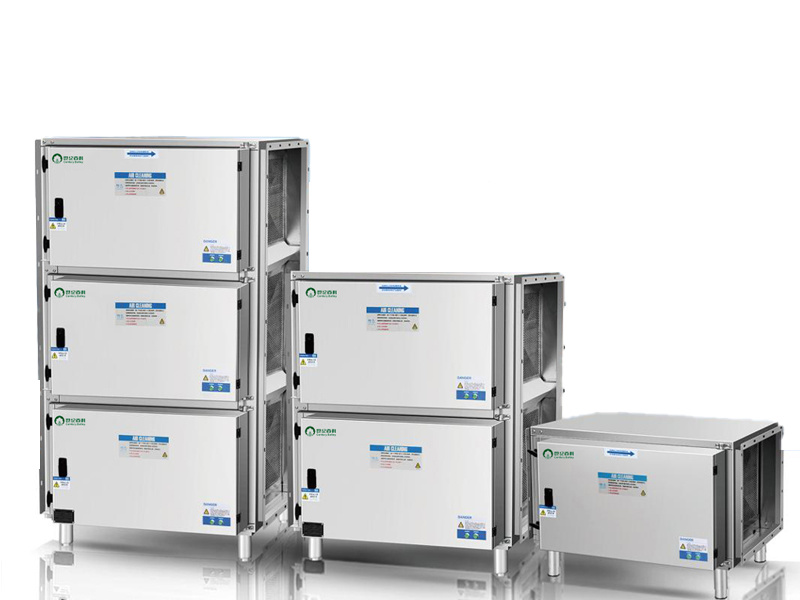
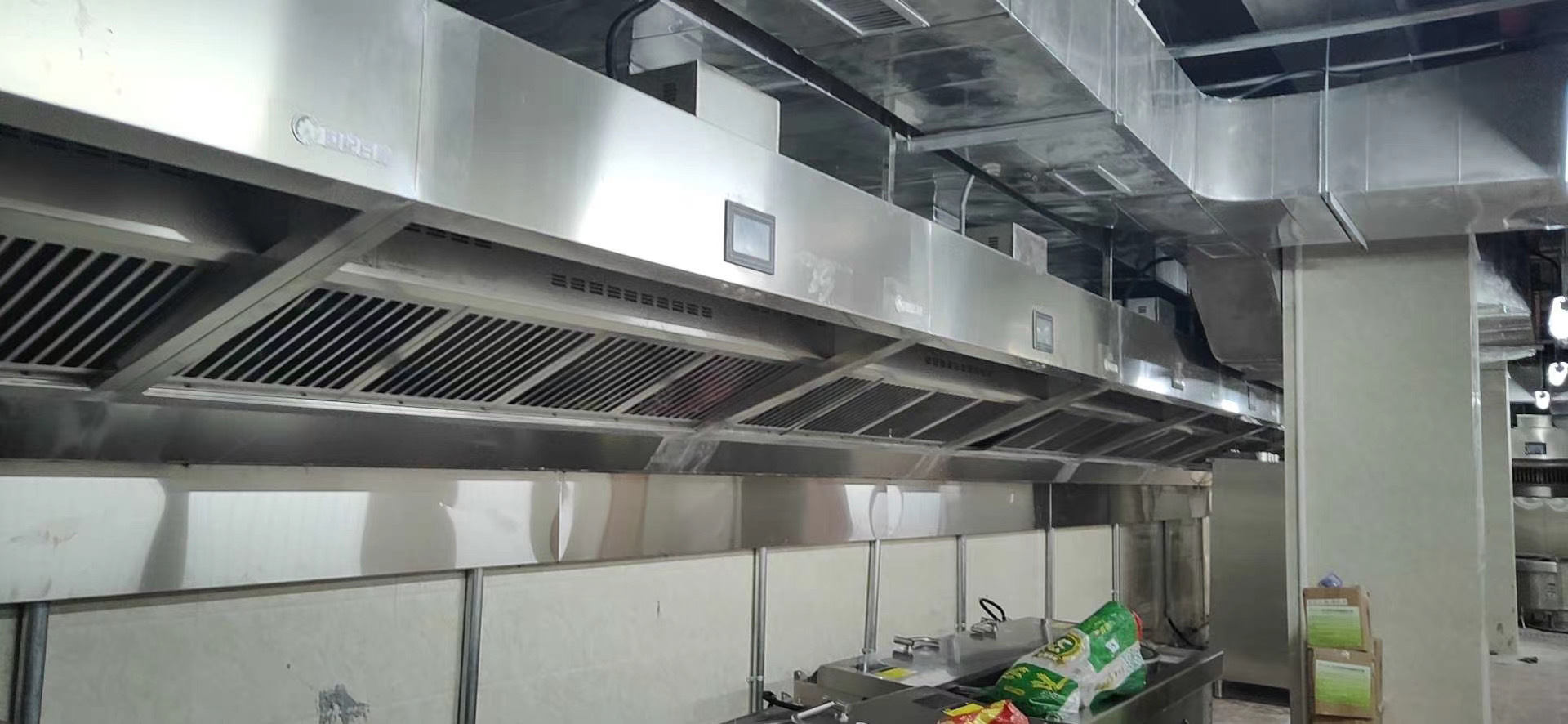
Automatic cleaning purifiers incorporate advanced filtration systems that can significantly reduce the presence of airborne contaminants. These systems often include HEPA filters, activated carbon, and UV-C light technology, which work in tandem to capture and neutralize particles such as dust, smoke, and volatile organic compounds (VOCs). In industrial settings, where oil mist and fumes from machinery can permeate the atmosphere, such purifiers play a vital role in ensuring clean air is circulated, reducing the risk of respiratory issues among employees.
One of the standout features of automatic cleaning purifiers is their self-cleaning capability. This innovation minimizes maintenance requirements and operational downtime. Traditional purification systems often necessitate regular manual cleaning, which can be time-consuming and labor-intensive. In contrast, automatic cleaning purifiers can detect the level of contamination in real-time and initiate self-cleaning cycles accordingly. This not only prolongs the lifespan of the filters but also ensures a consistently high level of air purity without the need for frequent intervention.
Moreover, these purifiers can be integrated with smart technology, allowing for remote monitoring and control. Facility managers can track air quality metrics, filter status, and even receive alerts when maintenance is required, all from a centralized system. This level of automation enhances operational efficiency and empowers businesses to take proactive measures in maintaining air quality standards.
Implementing automatic cleaning purifiers in industrial settings also aids in complying with environmental regulations. Many industries are subject to strict air quality standards to minimize the impact of emissions on health and the environment. By utilizing effective air purification systems, companies not only protect their workforce but also contribute to sustainable practices that benefit the broader community.
In conclusion, automatic cleaning purifiers represent a significant advancement in air quality management within industrial environments. Their ability to provide continuous and effective purification while reducing maintenance efforts makes them an invaluable asset. Investing in such technology not only fosters a healthier workplace but also positions companies as responsible stewards of environmental health. As industries continue to evolve, embracing innovative solutions like automatic cleaning purifiers will be key to achieving optimal air quality and ensuring a sustainable future.
Automatic cleaning purifiers incorporate advanced filtration systems that can significantly reduce the presence of airborne contaminants. These systems often include HEPA filters, activated carbon, and UV-C light technology, which work in tandem to capture and neutralize particles such as dust, smoke, and volatile organic compounds (VOCs). In industrial settings, where oil mist and fumes from machinery can permeate the atmosphere, such purifiers play a vital role in ensuring clean air is circulated, reducing the risk of respiratory issues among employees.
One of the standout features of automatic cleaning purifiers is their self-cleaning capability. This innovation minimizes maintenance requirements and operational downtime. Traditional purification systems often necessitate regular manual cleaning, which can be time-consuming and labor-intensive. In contrast, automatic cleaning purifiers can detect the level of contamination in real-time and initiate self-cleaning cycles accordingly. This not only prolongs the lifespan of the filters but also ensures a consistently high level of air purity without the need for frequent intervention.
Moreover, these purifiers can be integrated with smart technology, allowing for remote monitoring and control. Facility managers can track air quality metrics, filter status, and even receive alerts when maintenance is required, all from a centralized system. This level of automation enhances operational efficiency and empowers businesses to take proactive measures in maintaining air quality standards.
Implementing automatic cleaning purifiers in industrial settings also aids in complying with environmental regulations. Many industries are subject to strict air quality standards to minimize the impact of emissions on health and the environment. By utilizing effective air purification systems, companies not only protect their workforce but also contribute to sustainable practices that benefit the broader community.
In conclusion, automatic cleaning purifiers represent a significant advancement in air quality management within industrial environments. Their ability to provide continuous and effective purification while reducing maintenance efforts makes them an invaluable asset. Investing in such technology not only fosters a healthier workplace but also positions companies as responsible stewards of environmental health. As industries continue to evolve, embracing innovative solutions like automatic cleaning purifiers will be key to achieving optimal air quality and ensuring a sustainable future.
More news


Hotline:+86 136 849 29821
Email:13684929821@139.com
Address:No. 6, Junzibubujun Industrial Road, Guanlan, Longhua New District, Shenzhen


