

-
AboutShenzhen Century Bailey Environmental Protection Technology Co., Ltd. (referred to as "Century Bailey") is located by the Guanlan Lake of the World Golf Village, adjacent to the Shanshui Tianyuan Tourism and Culture Park. It is a national high-tech enterprise and a specialized and new enterprise focusing on the research, development, production, and sales of catering industry oil fume purification products.
-
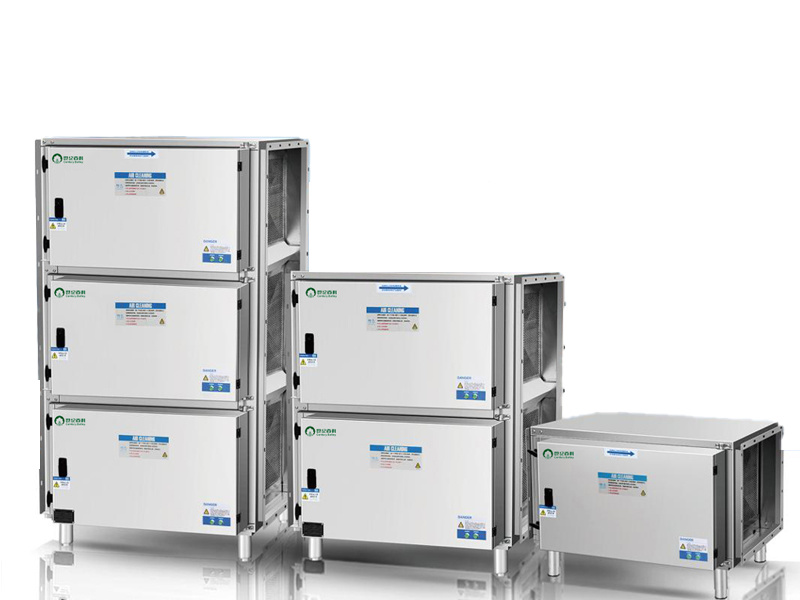
ProductShenzhen Century Bailey Environmental Protection Technology Co., Ltd. (referred to as "Century Bailey") is located by the Guanlan Lake of the World Golf Village, adjacent to the Shanshui Tianyuan Tourism and Culture Park. It is a national high-tech enterprise and a specialized and new enterprise focusing on the research, development, production, and sales of catering industry oil fume purification products.
-
Core AdvantagesShenzhen Century Bailey Environmental Protection Technology Co., Ltd. (referred to as "Century Bailey") is located by the Guanlan Lake of the World Golf Village, adjacent to the Shanshui Tianyuan Tourism and Culture Park. It is a national high-tech enterprise and a specialized and new enterprise focusing on the research, development, production, and sales of catering industry oil fume purification products.
-
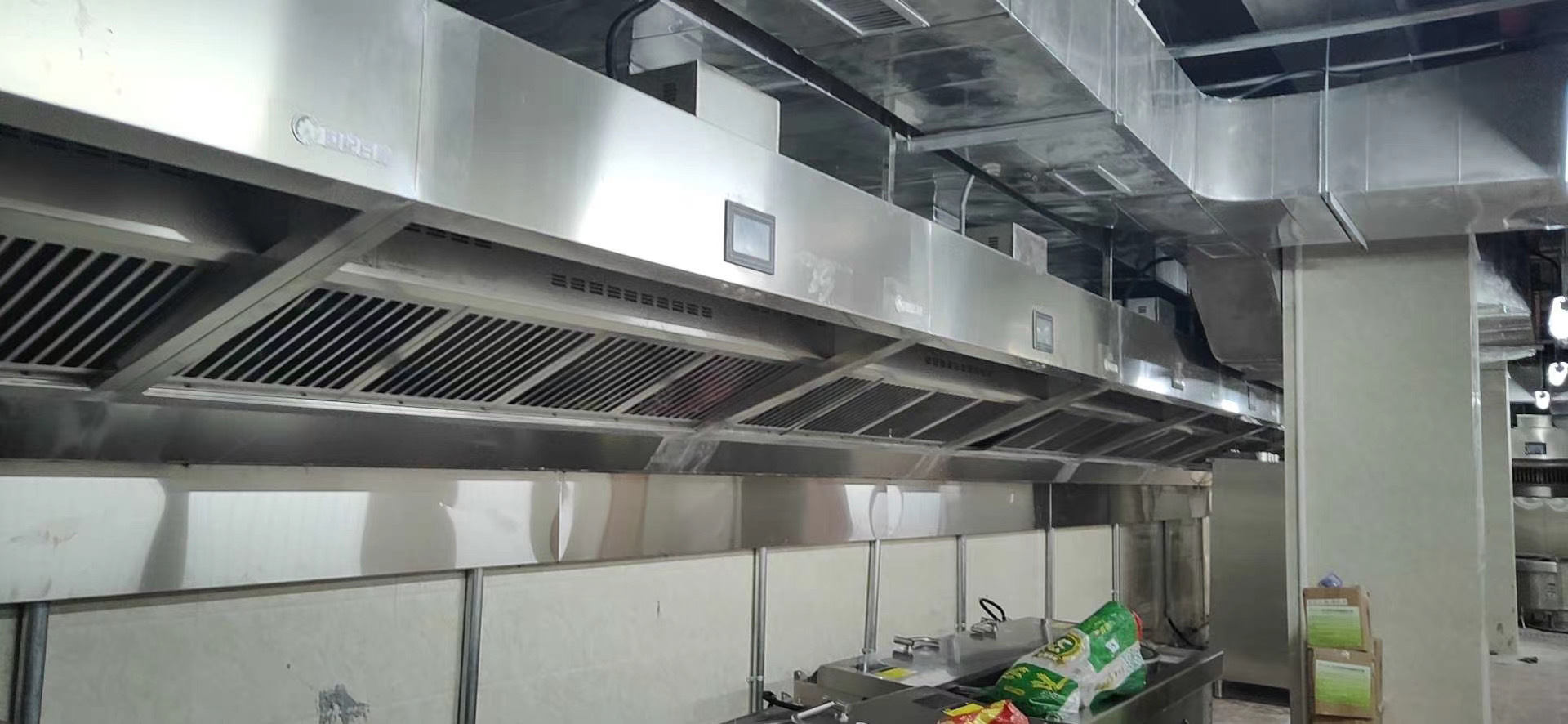
CasesShenzhen Century Bailey Environmental Protection Technology Co., Ltd. (referred to as "Century Bailey") is located by the Guanlan Lake of the World Golf Village, adjacent to the Shanshui Tianyuan Tourism and Culture Park. It is a national high-tech enterprise and a specialized and new enterprise focusing on the research, development, production, and sales of catering industry oil fume purification products.
-
Customer serviceShenzhen Century Bailey Environmental Protection Technology Co., Ltd. (referred to as "Century Bailey") is located by the Guanlan Lake of the World Golf Village, adjacent to the Shanshui Tianyuan Tourism and Culture Park. It is a national high-tech enterprise and a specialized and new enterprise focusing on the research, development, production, and sales of catering industry oil fume purification products.
-
ContactShenzhen Century Bailey Environmental Protection Technology Co., Ltd. (referred to as "Century Bailey") is located by the Guanlan Lake of the World Golf Village, adjacent to the Shanshui Tianyuan Tourism and Culture Park. It is a national high-tech enterprise and a specialized and new enterprise focusing on the research, development, production, and sales of catering industry oil fume purification products.
Enhancing Air Quality: The Role of UV Photolysis Fume Purification Equipment in Industrial Environments
Release time:
2025-09-26
In today's industrial landscape, the importance of maintaining a clean air environment cannot be overstated. Industries dealing with fumes, particularly those involving oils and other pollutants, are increasingly turning to advanced technologies like UV photolysis fume purification equipment. This equipment utilizes ultraviolet light to break down harmful compounds in the air, offering a highly ef

In today's industrial landscape, the importance of maintaining a clean air environment cannot be overstated. Industries dealing with fumes, particularly those involving oils and other pollutants, are increasingly turning to advanced technologies like UV photolysis fume purification equipment. This equipment utilizes ultraviolet light to break down harmful compounds in the air, offering a highly effective solution for air purification.
UV photolysis works by emitting UV light that interacts with volatile organic compounds (VOCs) and other pollutants. The energy from the UV light causes these compounds to undergo chemical reactions that effectively decompose them into less harmful substances. This not only purifies the air but also helps in meeting regulatory compliance related to air quality standards, which is crucial for any industrial operation.
One of the standout features of UV photolysis fume purification equipment is its adaptability. It can be integrated into various industrial processes, making it suitable for a range of applications, from food processing to metal fabrication. This versatility ensures that businesses can tailor their air quality management systems to meet specific operational needs without compromising on efficiency.
Moreover, the maintenance of UV photolysis systems is generally straightforward, often requiring less frequent servicing compared to traditional filtration systems. This can lead to reduced operational downtime and lower maintenance costs over time, making it an attractive option for businesses looking for cost-effective solutions to air purification.
Another significant advantage of using UV photolysis fume purification equipment is its ecological benefit. By effectively breaking down hazardous substances, these systems contribute to a cleaner environment and promote sustainability. In an era where environmental responsibility is paramount, adopting such technologies can enhance a company's reputation and appeal to environmentally conscious clients.
Implementing UV photolysis technology can also result in improved workplace safety. Cleaner air reduces the risk of respiratory issues among workers and can improve overall employee well-being and productivity. This is particularly vital in industries where employees are regularly exposed to harmful fumes.
In conclusion, UV photolysis fume purification equipment emerges as a pivotal element in industrial air quality management. By harnessing the power of UV light, businesses can effectively reduce harmful emissions, comply with environmental regulations, and promote a safer working environment. The integration of this technology not only supports operational efficiency but also aligns with the growing demand for sustainable industrial practices. For industries serious about air purification, investing in UV photolysis technology should be a top consideration.
UV photolysis works by emitting UV light that interacts with volatile organic compounds (VOCs) and other pollutants. The energy from the UV light causes these compounds to undergo chemical reactions that effectively decompose them into less harmful substances. This not only purifies the air but also helps in meeting regulatory compliance related to air quality standards, which is crucial for any industrial operation.
One of the standout features of UV photolysis fume purification equipment is its adaptability. It can be integrated into various industrial processes, making it suitable for a range of applications, from food processing to metal fabrication. This versatility ensures that businesses can tailor their air quality management systems to meet specific operational needs without compromising on efficiency.
Moreover, the maintenance of UV photolysis systems is generally straightforward, often requiring less frequent servicing compared to traditional filtration systems. This can lead to reduced operational downtime and lower maintenance costs over time, making it an attractive option for businesses looking for cost-effective solutions to air purification.
Another significant advantage of using UV photolysis fume purification equipment is its ecological benefit. By effectively breaking down hazardous substances, these systems contribute to a cleaner environment and promote sustainability. In an era where environmental responsibility is paramount, adopting such technologies can enhance a company's reputation and appeal to environmentally conscious clients.
Implementing UV photolysis technology can also result in improved workplace safety. Cleaner air reduces the risk of respiratory issues among workers and can improve overall employee well-being and productivity. This is particularly vital in industries where employees are regularly exposed to harmful fumes.
In conclusion, UV photolysis fume purification equipment emerges as a pivotal element in industrial air quality management. By harnessing the power of UV light, businesses can effectively reduce harmful emissions, comply with environmental regulations, and promote a safer working environment. The integration of this technology not only supports operational efficiency but also aligns with the growing demand for sustainable industrial practices. For industries serious about air purification, investing in UV photolysis technology should be a top consideration.
More news


Hotline:+86 136 849 29821
Email:13684929821@139.com
Address:No. 6, Junzibubujun Industrial Road, Guanlan, Longhua New District, Shenzhen


