

-
AboutShenzhen Century Bailey Environmental Protection Technology Co., Ltd. (referred to as "Century Bailey") is located by the Guanlan Lake of the World Golf Village, adjacent to the Shanshui Tianyuan Tourism and Culture Park. It is a national high-tech enterprise and a specialized and new enterprise focusing on the research, development, production, and sales of catering industry oil fume purification products.

-
ProductShenzhen Century Bailey Environmental Protection Technology Co., Ltd. (referred to as "Century Bailey") is located by the Guanlan Lake of the World Golf Village, adjacent to the Shanshui Tianyuan Tourism and Culture Park. It is a national high-tech enterprise and a specialized and new enterprise focusing on the research, development, production, and sales of catering industry oil fume purification products.
-
Core AdvantagesShenzhen Century Bailey Environmental Protection Technology Co., Ltd. (referred to as "Century Bailey") is located by the Guanlan Lake of the World Golf Village, adjacent to the Shanshui Tianyuan Tourism and Culture Park. It is a national high-tech enterprise and a specialized and new enterprise focusing on the research, development, production, and sales of catering industry oil fume purification products.
-
CasesShenzhen Century Bailey Environmental Protection Technology Co., Ltd. (referred to as "Century Bailey") is located by the Guanlan Lake of the World Golf Village, adjacent to the Shanshui Tianyuan Tourism and Culture Park. It is a national high-tech enterprise and a specialized and new enterprise focusing on the research, development, production, and sales of catering industry oil fume purification products.
-
Customer serviceShenzhen Century Bailey Environmental Protection Technology Co., Ltd. (referred to as "Century Bailey") is located by the Guanlan Lake of the World Golf Village, adjacent to the Shanshui Tianyuan Tourism and Culture Park. It is a national high-tech enterprise and a specialized and new enterprise focusing on the research, development, production, and sales of catering industry oil fume purification products.
-
ContactShenzhen Century Bailey Environmental Protection Technology Co., Ltd. (referred to as "Century Bailey") is located by the Guanlan Lake of the World Golf Village, adjacent to the Shanshui Tianyuan Tourism and Culture Park. It is a national high-tech enterprise and a specialized and new enterprise focusing on the research, development, production, and sales of catering industry oil fume purification products.

Transforming Industrial Air: The Benefits of Dynamic Interception Fume Purifiers
Release time:
2025-09-23
Transforming Industrial Air: The Benefits of Dynamic Interception Fume Purifiers Table of Contents Introduction to Dynamic Interception Fume Purifiers The Importance of Air Quality in Industrial Settings Understanding Dynamic Interception Technology Key Benefits of Dynamic Interception Fume Purifiers Enhanced Air Quality Increased Employee Health a

Transforming Industrial Air: The Benefits of Dynamic Interception Fume Purifiers
Table of Contents
- Introduction to Dynamic Interception Fume Purifiers
- The Importance of Air Quality in Industrial Settings
- Understanding Dynamic Interception Technology
- Key Benefits of Dynamic Interception Fume Purifiers
- Enhanced Air Quality
- Increased Employee Health and Safety
- Regulatory Compliance Made Easier
- Cost-Effectiveness and Operational Efficiency
- Applications of Dynamic Interception Fume Purifiers
- Case Studies and Success Stories
- The Future of Air Purification in Industrial Settings
- FAQs
- Conclusion
Introduction to Dynamic Interception Fume Purifiers
In an era where industrial operations are continually scrutinized for their environmental impact, the need for effective air purification solutions has never been more critical. **Dynamic interception fume purifiers** represent a significant advancement in this domain. By capturing and neutralizing airborne contaminants in real-time, these systems not only enhance air quality but also contribute to healthier work environments. This article explores the transformative benefits of dynamic interception technology, demonstrating how it is reshaping industrial air.
The Importance of Air Quality in Industrial Settings
Industrial facilities are often hotspots for various airborne contaminants, including volatile organic compounds (VOCs), particulate matter, and hazardous fumes. Poor air quality can lead to detrimental health effects for employees, such as respiratory issues, skin irritations, and long-term chronic conditions. Moreover, companies face significant financial repercussions from workplace accidents, health claims, and potential legal liabilities.
Maintaining high air quality is not merely a regulatory requirement; it is a moral and ethical obligation for employers. The implementation of effective air purification systems is essential in mitigating these risks while fostering a safer and more productive work environment.
Understanding Dynamic Interception Technology
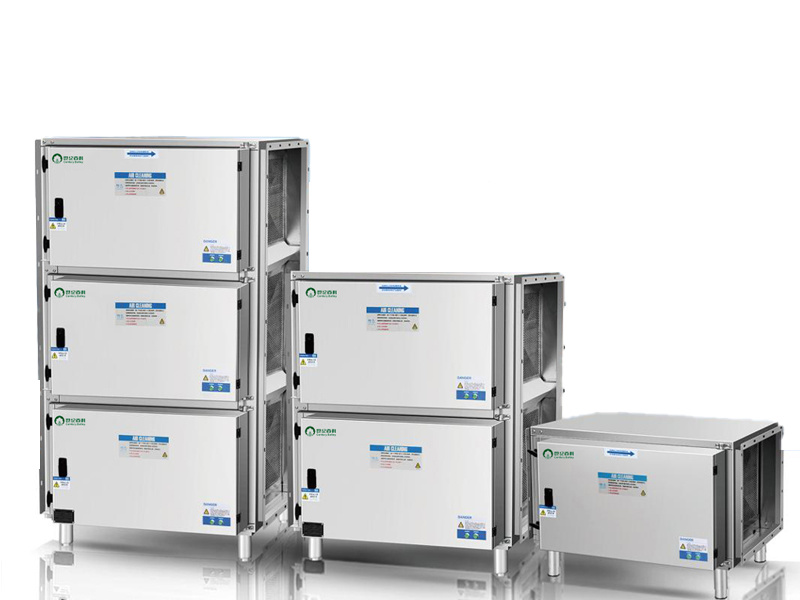
Dynamic interception technology employs advanced filtration techniques to actively capture and neutralize airborne pollutants. Unlike traditional static filtration systems, dynamic interceptors work on the principle of real-time contamination capture, utilizing a combination of mechanical and chemical processes.
**Key components** of dynamic interception systems include:
1. **High-Efficiency Filters**: These filters are designed to trap fine particles and aerosols, ensuring optimal air quality.
2. **Activated Carbon**: This element absorbs VOCs and other harmful gases, effectively removing odors and toxic fumes.
3. **Real-Time Monitoring Systems**: These systems track air quality metrics, enabling timely adjustments and maintenance.
This technology not only enhances air quality but also optimizes energy efficiency, making it a sustainable choice for industrial operations.
Key Benefits of Dynamic Interception Fume Purifiers
Dynamic interception fume purifiers offer a myriad of benefits that can significantly impact industrial operations.
Enhanced Air Quality
By effectively capturing a broad spectrum of pollutants, dynamic interception fume purifiers ensure the workplace air remains clean and breathable. This enhances overall air quality, creating a safer work environment.
Increased Employee Health and Safety
Improved air quality directly correlates with employee health. A clean workplace reduces the risk of respiratory diseases and allergies while increasing overall productivity. Companies investing in air purification systems demonstrate a commitment to employee well-being.
Regulatory Compliance Made Easier
Compliance with air quality regulations is paramount for industrial facilities. Dynamic interception fume purifiers provide a proactive approach to maintaining air quality standards, helping companies avoid legal pitfalls and potential fines.
Cost-Effectiveness and Operational Efficiency
While the initial investment in dynamic interception technology may seem significant, the long-term savings from reduced healthcare costs, increased productivity, and enhanced operational efficiency far outweigh the expenditures. Additionally, these systems often require less maintenance and operational downtime, further contributing to cost savings.
Applications of Dynamic Interception Fume Purifiers
Dynamic interception fume purifiers are versatile systems applicable across various industrial sectors:
- **Manufacturing**: Captures fumes from welding, cutting, and coating processes.
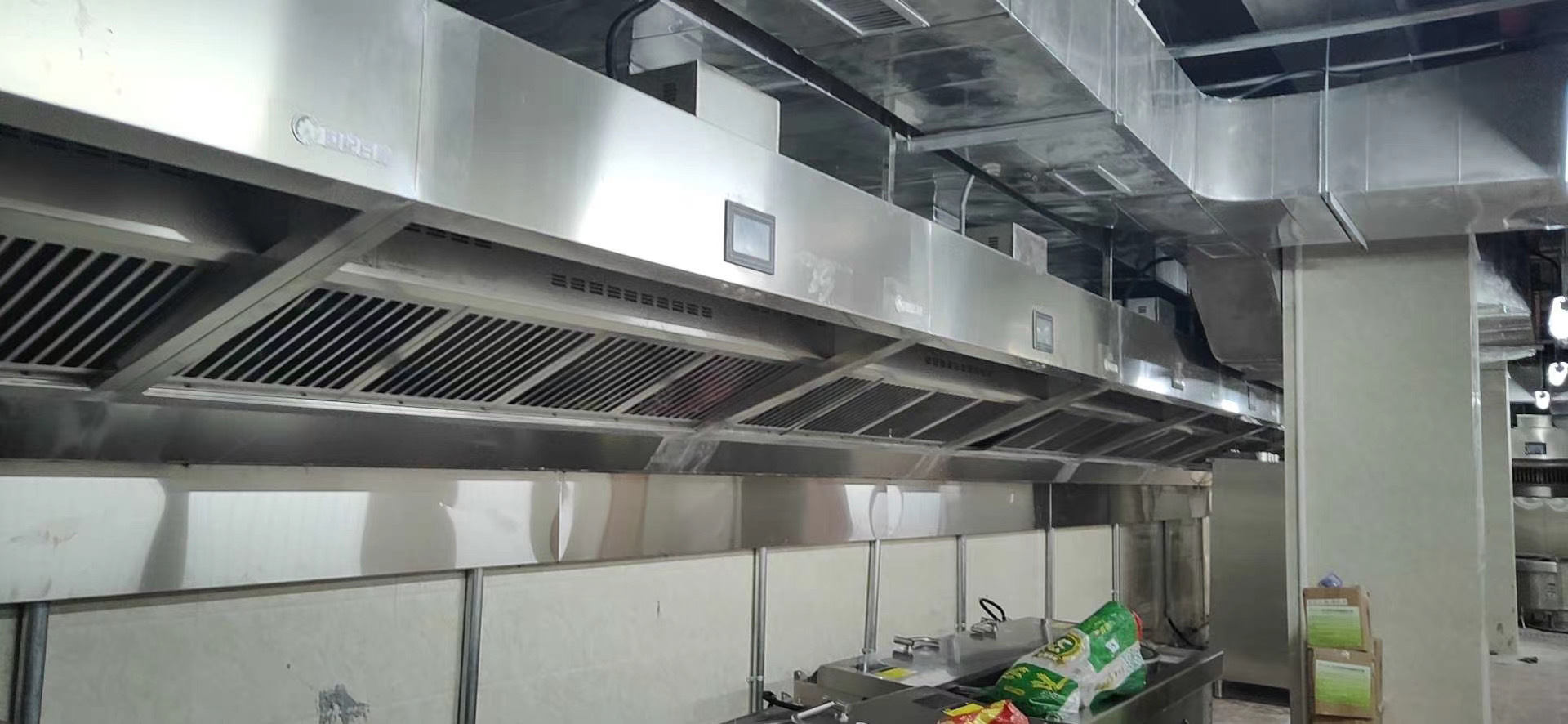
- **Food Processing**: Eliminates odors and harmful particles, ensuring compliance with health standards.
- **Pharmaceuticals**: Protects sensitive environments from contamination.
- **Automotive**: Addresses VOC emissions from painting and assembly operations.
Each application highlights the adaptability of dynamic interception technology to meet specific industry needs.
Case Studies and Success Stories
Numerous companies have successfully integrated dynamic interception fume purifiers into their operations, experiencing remarkable benefits:
1. **Company A**: A leading manufacturing plant reported a 30% reduction in employee health-related absences after installing these purifiers, thereby enhancing productivity levels.
2. **Company B**: A food processing facility achieved compliance with stringent health regulations, resulting in a significant increase in customer trust and sales.
3. **Company C**: An automotive assembly line noted reduced maintenance costs and increased efficiency due to lower levels of airborne contaminants.
These case studies demonstrate the real-world impact of dynamic interception technology on industrial air quality.
The Future of Air Purification in Industrial Settings
As technology continues to evolve, so do air purification solutions. The future of dynamic interception fume purifiers looks promising, with advancements in artificial intelligence and machine learning leading to smarter systems. These innovations will enable predictive maintenance, further enhancing operational efficiency and reliability.
Additionally, as environmental regulations tighten, industries will increasingly rely on advanced purification technologies to meet compliance standards and promote sustainability.
FAQs
1. What are dynamic interception fume purifiers?
Dynamic interception fume purifiers are advanced air purification systems designed to capture and neutralize airborne contaminants in real-time.
2. How do dynamic interception fume purifiers work?
These systems utilize high-efficiency filters, activated carbon, and real-time monitoring to trap pollutants and improve air quality.
3. What industries benefit from dynamic interception fume purifiers?
Manufacturing, food processing, pharmaceuticals, and automotive industries are among those that benefit significantly from these systems.
4. Are dynamic interception fume purifiers cost-effective?
Yes, while the initial investment may be substantial, the long-term savings from reduced healthcare costs and enhanced productivity make them cost-effective.
5. How do dynamic interception fume purifiers enhance employee safety?
By improving air quality and reducing exposure to harmful pollutants, these systems contribute to a healthier work environment, thereby enhancing employee safety.
Conclusion
Dynamic interception fume purifiers are not just an innovation; they are a necessity in today’s industrial landscape. By enhancing air quality, promoting employee health, and ensuring compliance with regulations, these systems are transforming how industries approach air purification. As we look towards a future that prioritizes sustainability and safety, the importance of dynamic interception technology cannot be overstated. Investing in these advanced systems is not merely a business decision but a commitment to a healthier and more productive workforce.
More news


Hotline:+86 136 849 29821
Email:13684929821@139.com
Address:No. 6, Junzibubujun Industrial Road, Guanlan, Longhua New District, Shenzhen


