

-
AboutShenzhen Century Bailey Environmental Protection Technology Co., Ltd. (referred to as "Century Bailey") is located by the Guanlan Lake of the World Golf Village, adjacent to the Shanshui Tianyuan Tourism and Culture Park. It is a national high-tech enterprise and a specialized and new enterprise focusing on the research, development, production, and sales of catering industry oil fume purification products.

-
ProductShenzhen Century Bailey Environmental Protection Technology Co., Ltd. (referred to as "Century Bailey") is located by the Guanlan Lake of the World Golf Village, adjacent to the Shanshui Tianyuan Tourism and Culture Park. It is a national high-tech enterprise and a specialized and new enterprise focusing on the research, development, production, and sales of catering industry oil fume purification products.
-
Core AdvantagesShenzhen Century Bailey Environmental Protection Technology Co., Ltd. (referred to as "Century Bailey") is located by the Guanlan Lake of the World Golf Village, adjacent to the Shanshui Tianyuan Tourism and Culture Park. It is a national high-tech enterprise and a specialized and new enterprise focusing on the research, development, production, and sales of catering industry oil fume purification products.
-
CasesShenzhen Century Bailey Environmental Protection Technology Co., Ltd. (referred to as "Century Bailey") is located by the Guanlan Lake of the World Golf Village, adjacent to the Shanshui Tianyuan Tourism and Culture Park. It is a national high-tech enterprise and a specialized and new enterprise focusing on the research, development, production, and sales of catering industry oil fume purification products.
-
Customer serviceShenzhen Century Bailey Environmental Protection Technology Co., Ltd. (referred to as "Century Bailey") is located by the Guanlan Lake of the World Golf Village, adjacent to the Shanshui Tianyuan Tourism and Culture Park. It is a national high-tech enterprise and a specialized and new enterprise focusing on the research, development, production, and sales of catering industry oil fume purification products.
-
ContactShenzhen Century Bailey Environmental Protection Technology Co., Ltd. (referred to as "Century Bailey") is located by the Guanlan Lake of the World Golf Village, adjacent to the Shanshui Tianyuan Tourism and Culture Park. It is a national high-tech enterprise and a specialized and new enterprise focusing on the research, development, production, and sales of catering industry oil fume purification products.

Maximizing Efficiency: Understanding High-Volume Oil Fume Purifiers
Release time:
2026-11-24
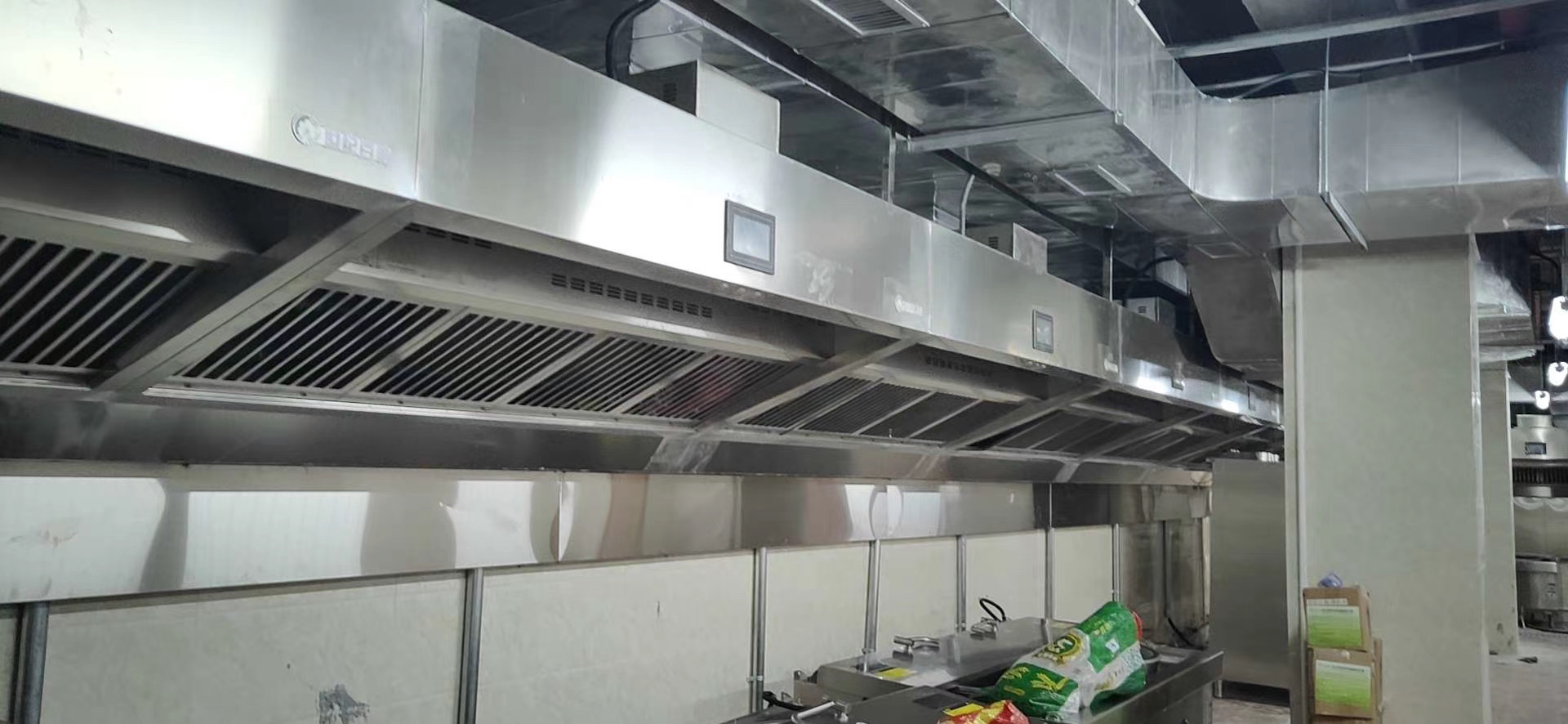
High-volume oil fume purifiers are specialized devices designed to capture and eliminate harmful oil fumes generated during cooking processes, particularly in commercial kitchens and industrial settings. These systems play a pivotal role in protecting both the environment and the health of workers by reducing airborne pollutants. One of the primary functions of high-volume oil fume purifiers is th

High-volume oil fume purifiers are specialized devices designed to capture and eliminate harmful oil fumes generated during cooking processes, particularly in commercial kitchens and industrial settings. These systems play a pivotal role in protecting both the environment and the health of workers by reducing airborne pollutants.
One of the primary functions of high-volume oil fume purifiers is their ability to efficiently filter out oil mist and particulate matter from the air. This is achieved through advanced filtration technologies that can capture particles of various sizes. The effectiveness of these purifiers is often measured by their airflow rate, which indicates how much air they can process in a given time frame. In environments where high volumes of fumes are produced, having a purifier with a robust airflow capacity is essential for maintaining air quality.
The operation of high-volume oil fume purifiers typically involves multiple stages of filtration. Initially, larger particles are removed using pre-filters, which help extend the life of subsequent filters. The main filtration stage usually employs electrostatic precipitation or activated carbon, which are effective in capturing smaller particles and absorbing odors. Finally, a HEPA filter may be employed to ensure that even the smallest contaminants are effectively removed from the air before it is recirculated back into the environment.
Implementing high-volume oil fume purifiers not only contributes to cleaner air but also enhances compliance with health and safety regulations. Many industries, especially food service and manufacturing, face stringent guidelines regarding air quality. The use of effective air purification systems helps companies avoid potential fines and legal issues while promoting a healthier workspace for employees.
Moreover, these purifiers can have a significant impact on the overall operational efficiency of a business. By reducing the accumulation of oil residues on equipment and surfaces, they minimize maintenance costs and downtime. A cleaner working environment also contributes to improved employee productivity and morale.
In summary, high-volume oil fume purifiers represent a vital investment for industries that generate significant amounts of airborne oil contaminants. By understanding their functions and benefits, businesses can make informed decisions when it comes to improving air quality and ensuring a safer working environment. Implementing these systems not only addresses air pollution concerns but also aligns with sustainable practices that benefit both employees and the environment in the long run.
More news



Hotline:+86 136 849 29821
Email:13684929821@139.com
Address:No. 6, Junzibubujun Industrial Road, Guanlan, Longhua New District, Shenzhen


