

-
AboutShenzhen Century Bailey Environmental Protection Technology Co., Ltd. (referred to as "Century Bailey") is located by the Guanlan Lake of the World Golf Village, adjacent to the Shanshui Tianyuan Tourism and Culture Park. It is a national high-tech enterprise and a specialized and new enterprise focusing on the research, development, production, and sales of catering industry oil fume purification products.

-
ProductShenzhen Century Bailey Environmental Protection Technology Co., Ltd. (referred to as "Century Bailey") is located by the Guanlan Lake of the World Golf Village, adjacent to the Shanshui Tianyuan Tourism and Culture Park. It is a national high-tech enterprise and a specialized and new enterprise focusing on the research, development, production, and sales of catering industry oil fume purification products.
-
Core AdvantagesShenzhen Century Bailey Environmental Protection Technology Co., Ltd. (referred to as "Century Bailey") is located by the Guanlan Lake of the World Golf Village, adjacent to the Shanshui Tianyuan Tourism and Culture Park. It is a national high-tech enterprise and a specialized and new enterprise focusing on the research, development, production, and sales of catering industry oil fume purification products.
-
CasesShenzhen Century Bailey Environmental Protection Technology Co., Ltd. (referred to as "Century Bailey") is located by the Guanlan Lake of the World Golf Village, adjacent to the Shanshui Tianyuan Tourism and Culture Park. It is a national high-tech enterprise and a specialized and new enterprise focusing on the research, development, production, and sales of catering industry oil fume purification products.
-
Customer serviceShenzhen Century Bailey Environmental Protection Technology Co., Ltd. (referred to as "Century Bailey") is located by the Guanlan Lake of the World Golf Village, adjacent to the Shanshui Tianyuan Tourism and Culture Park. It is a national high-tech enterprise and a specialized and new enterprise focusing on the research, development, production, and sales of catering industry oil fume purification products.
-
ContactShenzhen Century Bailey Environmental Protection Technology Co., Ltd. (referred to as "Century Bailey") is located by the Guanlan Lake of the World Golf Village, adjacent to the Shanshui Tianyuan Tourism and Culture Park. It is a national high-tech enterprise and a specialized and new enterprise focusing on the research, development, production, and sales of catering industry oil fume purification products.
A Comprehensive Guide to Selecting the Ideal Low-Altitude Direct Exhaust Fume Purifier for Industrial Use
Release time:
2026-11-15
A Comprehensive Guide to Selecting the Ideal Low-Altitude Direct Exhaust Fume Purifier for Industrial Use Table of Contents 1. Introduction to Low-Altitude Direct Exhaust Fume Purifiers 2. What is a Low-Altitude Direct Exhaust Fume Purifier? 3. Importance of Low-Altitude Direct Exhaust Fume Purifiers in Industry 4. Types of Low-Altitude Direct Exhaust Fume Purifiers

A Comprehensive Guide to Selecting the Ideal Low-Altitude Direct Exhaust Fume Purifier for Industrial Use
Table of Contents
- 1. Introduction to Low-Altitude Direct Exhaust Fume Purifiers
- 2. What is a Low-Altitude Direct Exhaust Fume Purifier?
- 3. Importance of Low-Altitude Direct Exhaust Fume Purifiers in Industry
- 4. Types of Low-Altitude Direct Exhaust Fume Purifiers
- 5. Key Features to Look for in a Fume Purifier
- 6. Benefits of Using Low-Altitude Direct Exhaust Fume Purifiers
- 7. Maintenance Tips for Your Fume Purifier
- 8. Common Mistakes to Avoid When Selecting a Fume Purifier
- 9. Frequently Asked Questions
- 10. Conclusion
1. Introduction to Low-Altitude Direct Exhaust Fume Purifiers
In the industrial sector, the significance of maintaining air quality cannot be overstated. Low-altitude direct exhaust fume purifiers play a pivotal role in ensuring that harmful pollutants do not compromise the safety and health of workers. Here, we will delve into the essential aspects of selecting the ideal fume purifier for your specific needs.
2. What is a Low-Altitude Direct Exhaust Fume Purifier?
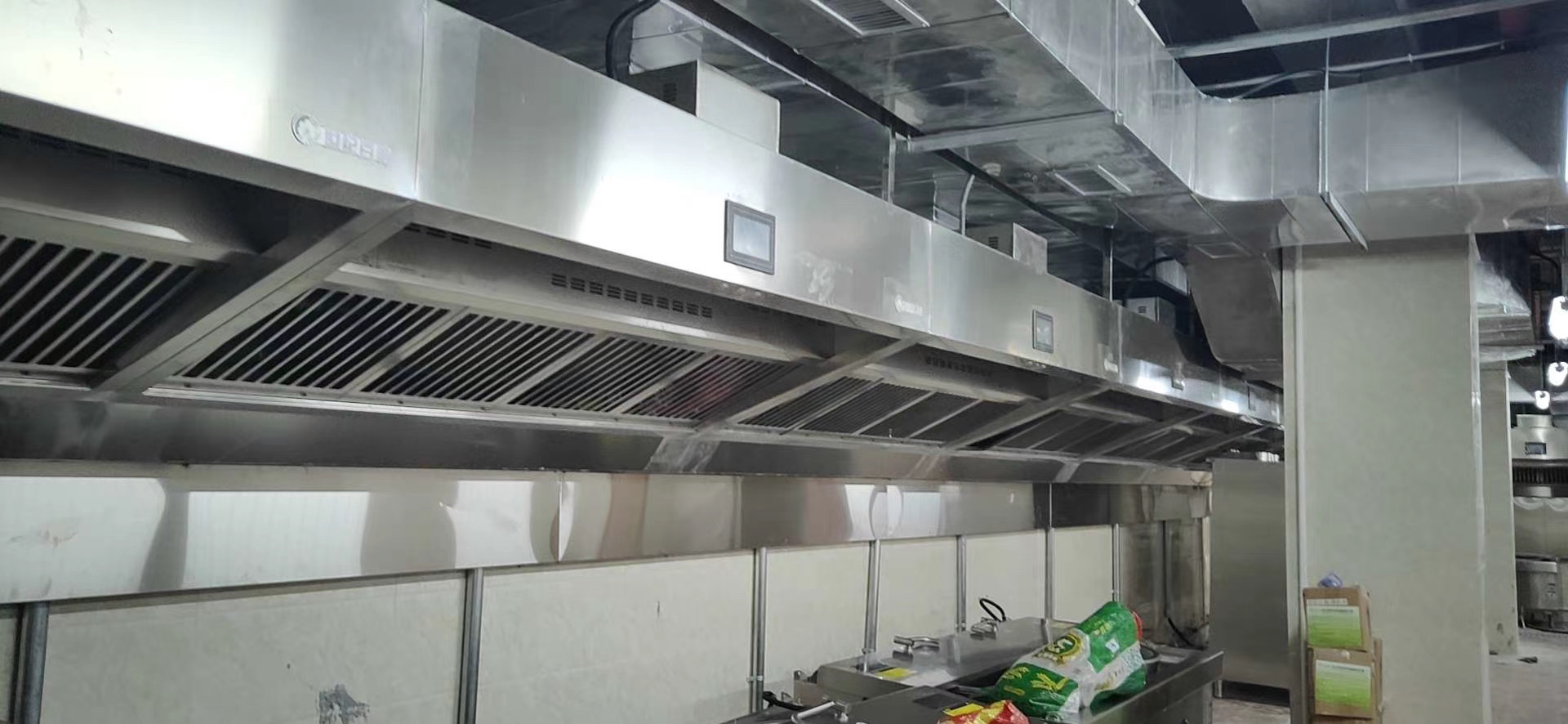
A **low-altitude direct exhaust fume purifier** is a specialized device designed to filter harmful fumes and particulates directly from the source of emission. Unlike traditional exhaust systems that disperse toxic air into the atmosphere, these purifiers capture and neutralize pollutants at their origin, ensuring a cleaner and safer work environment.
These systems are particularly effective in settings where large amounts of smoke, grease, or chemical vapors are produced, such as in kitchens, manufacturing plants, and various industrial operations.
3. Importance of Low-Altitude Direct Exhaust Fume Purifiers in Industry
The importance of low-altitude direct exhaust fume purifiers in industrial environments cannot be ignored. Here are a few critical reasons why investing in these devices is essential:
- **Health and Safety Compliance**: Many industries are required to adhere to stringent air quality regulations. Fume purifiers help to meet these requirements by reducing hazardous emissions.
- **Enhanced Worker Productivity**: A cleaner air environment promotes better worker health, leading to increased productivity and morale.
- **Protection of Equipment**: By removing harmful particulates from the air, these purifiers help prolong the life of machinery and equipment, reducing maintenance costs.
4. Types of Low-Altitude Direct Exhaust Fume Purifiers
Choosing the right type of low-altitude direct exhaust fume purifier can significantly impact its effectiveness. Here are the main types available:
4.1 Mechanical Filters
Mechanical filter purifiers utilize physical barriers to trap particles. They are particularly effective at capturing dust, soot, and larger particulates, making them a common choice for many industrial applications.
4.2 Electrostatic Purifiers
Electrostatic purifiers employ electric charges to attract and capture particles from the air. These units are highly effective in environments with fine particulates, such as welding shops or chemical manufacturing facilities.
4.3 Chemical Filters
Chemical filters utilize specific materials to neutralize harmful gases and vapors. They are ideal for situations where chemical fumes are prevalent, such as in laboratories or processing plants.
5. Key Features to Look for in a Fume Purifier
When selecting a low-altitude direct exhaust fume purifier, certain features can greatly enhance its performance and suitability for your needs. Here are critical features to consider:
5.1 Filtration Efficiency
The **filtration efficiency** of a fume purifier determines its ability to capture pollutants. Look for models with high-efficiency ratings, ensuring that they can effectively remove even the smallest particles from the air.
5.2 Noise Levels
Consider the **noise levels** of the unit. While some purifiers operate quietly, others can be quite loud, leading to discomfort in the workplace. Opt for models designed for low noise output while maintaining effective filtration.
5.3 Ease of Filter Replacement
Regular maintenance is essential for optimal performance. Choose a purifier that allows for easy **filter replacement**, enabling quick and hassle-free upkeep.
6. Benefits of Using Low-Altitude Direct Exhaust Fume Purifiers
Investing in a low-altitude direct exhaust fume purifier offers numerous advantages:
- **Improved Air Quality**: These purifiers substantially reduce the concentration of harmful pollutants, resulting in cleaner air.
- **Cost-Effectiveness**: By preventing the accumulation of contaminants, fume purifiers help minimize equipment wear and maintenance costs.
- **Regulatory Compliance**: Organizations can avoid hefty fines and shutdowns by ensuring compliance with health and safety regulations.
7. Maintenance Tips for Your Fume Purifier
To ensure the longevity and effectiveness of your low-altitude direct exhaust fume purifier, adhere to these maintenance tips:
- **Regular Cleaning**: Clean the internal components of the purifier periodically to prevent dust accumulation and performance degradation.
- **Timely Filter Replacement**: Replace filters as recommended by the manufacturer. Neglecting this can lead to decreased efficiency and air quality.
- **Professional Servicing**: Schedule annual professional servicing to ensure all mechanical parts are functioning optimally.
8. Common Mistakes to Avoid When Selecting a Fume Purifier
Understanding common pitfalls when choosing a fume purifier can save time and resources:
- **Neglecting Requirements**: Failing to assess the specific air quality needs of your environment can lead to the selection of an ineffective unit.
- **Overlooking Maintenance**: Many choose based solely on cost without considering maintenance requirements, which can lead to higher long-term costs.
- **Ignoring Noise Levels**: Selecting a loud purifier can create a disruptive work environment, affecting employee productivity.
9. Frequently Asked Questions
Q1: How do I determine the right size for my fume purifier?
A1: Calculate the total volume of air in your work area and match this with a purifier's specifications to ensure adequate air exchange.
Q2: What maintenance is required for low-altitude direct exhaust fume purifiers?
A2: Regular cleaning, filter replacement, and professional servicing are essential to maintain optimal functionality.
Q3: Can I install a fume purifier myself?
A3: While some models are designed for easy installation, consulting with a professional ensures proper setup and functionality.
Q4: How often should I replace the filters in my fume purifier?
A4: Filter replacement frequency depends on usage and manufacturer recommendations; however, quarterly checks are advisable.
Q5: Are low-altitude fume purifiers energy-efficient?
A5: Many modern fume purifiers are designed with energy efficiency in mind, helping to reduce operational costs while maintaining performance.
10. Conclusion
Choosing the right low-altitude direct exhaust fume purifier is vital for maintaining a safe and healthy industrial environment. By understanding the types available, key features, benefits, and common pitfalls to avoid, you are better equipped to make an informed decision. Investing in an efficient fume purifier not only ensures compliance with health regulations but also enhances worker productivity and equipment lifespan. Take the necessary steps today to improve your air quality and safeguard your workforce.
More news



Hotline:+86 136 849 29821
Email:13684929821@139.com
Address:No. 6, Junzibubujun Industrial Road, Guanlan, Longhua New District, Shenzhen


